Key Takeaways
- Layer 2 scaling solutions reduce blockchain congestion by processing transactions off-chain while keeping security anchored to the main network.
- In 2025–2026, rollups dominate the ecosystem, powering fast payments, gaming, and high-volume dApps.
- Layer 2 adoption is critical for mainstream Web3 usage, enabling lower fees, higher throughput, and more competitive on-chain economies.
A Breakthrough for Blockchain Performance
By 2025, blockchain has evolved past experimentation, with millions of users interacting daily across DeFi apps, NFT platforms, Web3 games, and enterprise networks. But one challenge remains universal: scalability. The more people use a blockchain, the slower and more expensive it can become.
This is where Layer 2 scaling comes in. As demand for real-world blockchain applications grows in 2025 and 2026, Layer 2 solutions have become essential—allowing networks like Ethereum, Bitcoin, and emerging chains to handle thousands of transactions per second without sacrificing security.
Layer 2 is no longer a niche technical upgrade. It’s the infrastructure powering Web3’s next phase.
Understanding Layer 2 Scaling: The Basics
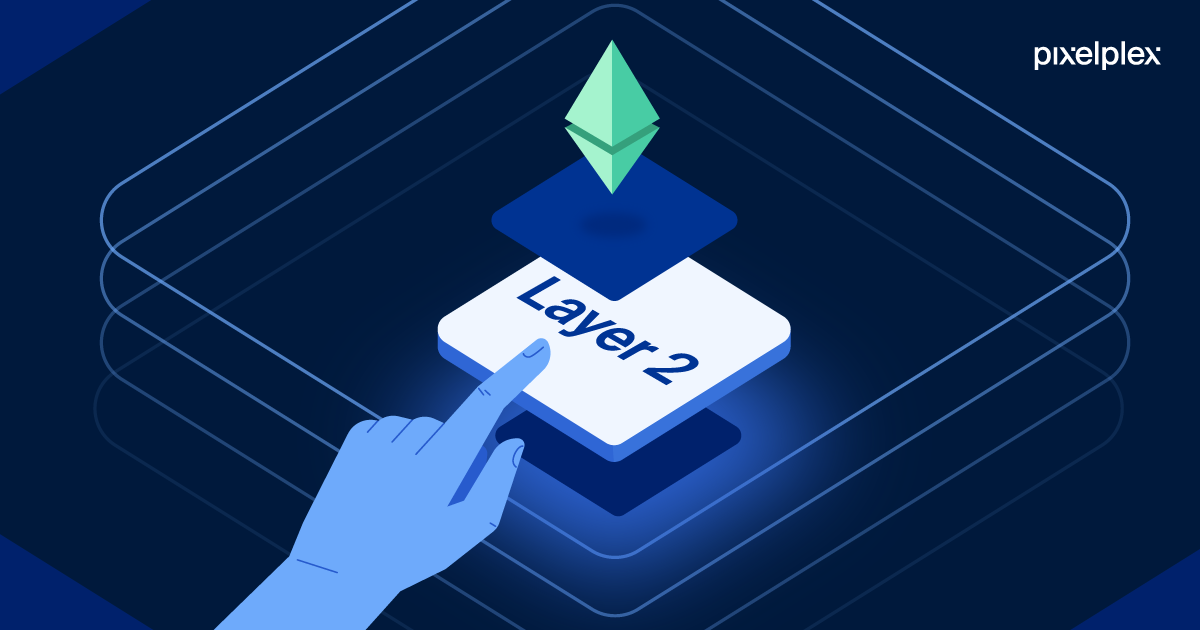
Layer 2 (L2) refers to any system built on top of a Layer 1 blockchain—such as Ethereum or Bitcoin—that processes transactions separately and then reports them back to the main chain. The goal is simple:
increase speed, reduce fees, and make blockchain usable at scale.
In other words, L2s absorb the activity, the congestion, and the computation, while Layer 1 remains the base layer responsible for security, consensus, and data availability.
This division of labor makes it possible to:
- execute more transactions at once
- reduce gas fees
- support large user bases
- maintain the same level of security as the base chain
Layer 2 exists because no major blockchain can scale efficiently on its main chain alone—not while remaining decentralized and secure.
How Layer 2 Solutions Work
Layer 2 networks don’t replace the original blockchain. Instead, they act as processing hubs that batch or compress transactions before sending the final proof back to Layer 1.
In 2025–2026, most scaling relies on one of the following categories:
1. Rollups (Optimistic and ZK-Rollups)
Rollups have become the leading Layer 2 technology, especially on Ethereum.
- Optimistic rollups assume transactions are valid unless challenged—ideal for general-purpose apps.
- ZK-rollups use cryptographic proofs to confirm transactions instantly and securely—popular for high-speed dApps and financial services.
Rollups can increase throughput 10–100x depending on the implementation.
2. State Channels
State channels allow two parties to transact privately off-chain and settle only the final result on-chain. This dramatically reduces congestion for activities like gaming, microtransactions, and payments.
3. Sidechains
Sidechains run parallel to the main blockchain but have their own consensus mechanisms. They’re useful for experimentation and custom applications, though they do not inherit full Layer 1 security.
4. Validiums and Hybrid Solutions
These emerging models offer high-speed execution off-chain while anchoring data or proofs onto Layer 1. They’re seen as promising for enterprise use cases.
Each solution represents a different trade-off between speed, security, and decentralization—but all aim to improve blockchain performance.
Why Layer 2 Is Essential in 2025–2026
In the mid-2020s, the blockchain ecosystem is expanding rapidly. DeFi protocols are servicing institutional-level capital, Web3 games require fast in-game transactions, and millions of users rely on NFT platforms, decentralized applications, and micro-payment services.
Layer 2 scaling enables all of this by offering:
Massive Throughput Improvements
While a Layer 1 might handle 15–100 transactions per second, Layer 2 can scale to thousands or even tens of thousands.
Significantly Lower Fees
Rollups routinely cut gas fees by 90% or more, making blockchain usable for everyday transactions.
Better User Experience
Fast confirmations and predictable costs help onboard mainstream users who expect seamless performance.
Room for Innovation
Developers can deploy more complex applications—on-chain games, AI agents, real-world asset markets—without being limited by base-chain bottlenecks.
In short, Layer 2 is the backbone of Web3’s usability.
Real-World Applications: Where Layer 2 Matters Most
DeFi at Institutional Scale
L2s give DeFi protocols the throughput they need to handle market activity, liquidity flows, and high-frequency trading.
Web3 Gaming and Metaverse Worlds
High-speed gameplay, NFT minting, and economies with millions of microtransactions depend on Layer 2.
Payments and Remittances
L2 solutions make crypto viable for everyday payments by reducing transaction costs to pennies.
Enterprise Blockchain Solutions
Corporations increasingly opt for hybrid or Layer 2-compatible networks for supply chain, identity management, and compliance automation.
NFT Markets and Digital Collectibles
Cheaper minting and instant transfers attract creators and collectors who previously avoided high gas fees.
Challenges Ahead: Layer 2 Is Powerful but Not Perfect
Despite enormous progress, the ecosystem still faces obstacles:
Fragmentation
With dozens of Layer 2 networks available, users and assets can become spread across multiple ecosystems.
Security Audits and Bridge Risks
Layer 2 bridges and smart contracts can be weak points if not properly secured.
User Complexity
Many users still struggle to understand wallets, bridging assets, and navigating between networks.
Regulatory Uncertainty
Governments are still determining how Layer 2 networks fit into broader legal frameworks—especially for finance and consumer protection.
Addressing these challenges will shape Layer 2 adoption in 2026 and beyond.
Conclusion: The Future Belongs to Layer 2
Layer 2 scaling is not just a technical enhancement—it’s the foundation of blockchain’s future. Without L2 networks, Web3 cannot reach mainstream adoption or support high-volume applications.
As activity grows between 2025 and 2026, Layer 2 will define how people interact with blockchains: cheaper, faster, more accessible, and more powerful than ever before. Whether you’re exploring DeFi, building a startup, or experimenting with NFTs and gaming, Layer 2 scaling is one of the most important technologies to understand.
Blockchain’s next era will not be built on Layer 1 alone.
It will thrive on the strength of Layer 2.