Key Takeaways:
- Layer 2 scaling solutions increase blockchain speed and reduce fees.
- They process transactions off-chain while maintaining Ethereum-level security.
- Popular Layer 2s like Arbitrum and Optimism are driving mainstream adoption.
What Is Layer 2 Scaling? The Future of Faster and Cheaper Blockchain Transactions
In 2025, Layer 2 scaling has become one of the most important innovations in the blockchain industry. As networks like Ethereum continue to expand, the demand for faster, cheaper, and more efficient transactions has never been greater. Layer 2 (L2) solutions are the key to meeting that demand—bringing scalability to blockchains without sacrificing their core principles of decentralization and security.
Understanding what Layer 2 scaling is means understanding how blockchains are evolving to handle real-world usage—from DeFi and NFTs to gaming and payments.
The Problem: Blockchain Scalability
To grasp why Layer 2 exists, it helps to start with the blockchain trilemma—the challenge of balancing three critical factors:
- Security – Keeping the network safe from attacks.
- Decentralization – Distributing control among many participants.
- Scalability – Processing large numbers of transactions quickly.
Ethereum, like Bitcoin, prioritizes decentralization and security. However, this comes at a cost: slower transaction speeds and high gas fees during times of heavy demand.
As blockchain adoption surged, it became clear that Layer 1 (the base chain) alone couldn’t handle global-scale use cases efficiently. Developers began building Layer 2 solutions to handle more transactions off-chain while still relying on Layer 1 for settlement and security.
What Is Layer 2 Scaling?
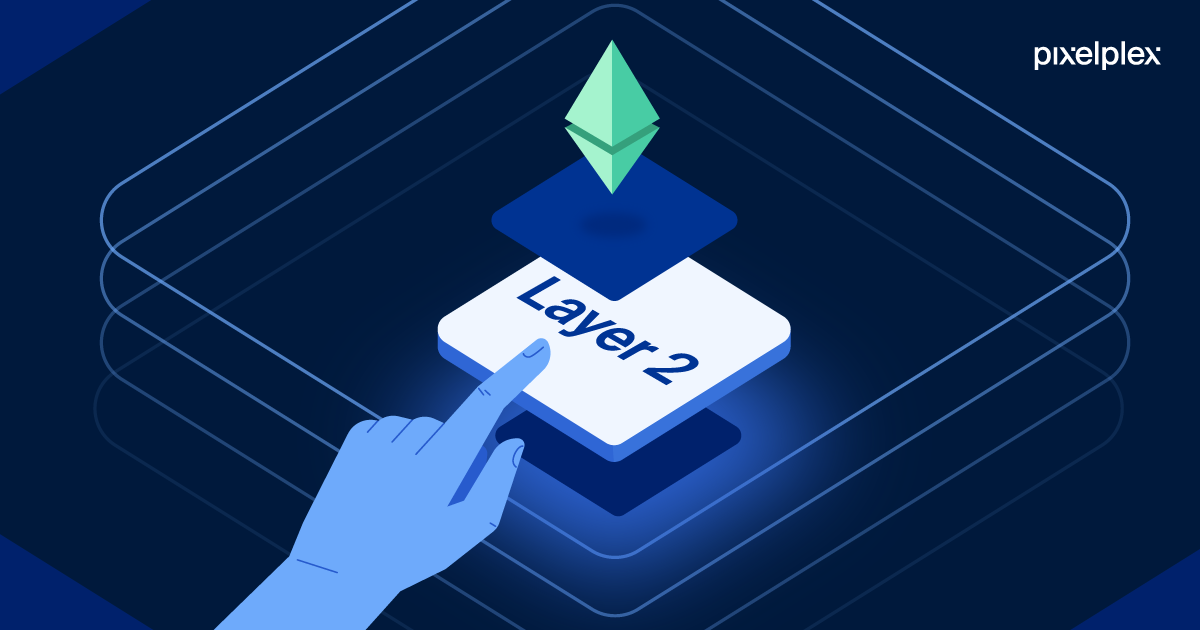
Layer 2 scaling refers to a set of technologies that sit on top of a base blockchain (Layer 1) to improve its performance. Instead of changing the core blockchain protocol, Layer 2 solutions process transactions off-chain and then record summarized results on the main chain.
This approach dramatically increases throughput and reduces costs while retaining the same level of trust and immutability.
In simple terms:
- Layer 1 = the foundation (e.g., Ethereum)
- Layer 2 = the efficiency layer built on top of it
Transactions are bundled, compressed, and later verified on the base layer, creating a faster and more scalable ecosystem.
How Layer 2 Scaling Works
The process typically follows three steps:
- Transaction Execution: Users perform transactions on the Layer 2 network rather than directly on the Layer 1 blockchain.
- Batch Processing: Layer 2 aggregates multiple transactions into batches, significantly reducing the load on Layer 1.
- Final Settlement: These batches are periodically submitted to Layer 1, where the data is verified and recorded permanently.
This method ensures that Layer 2 benefits from the security of the underlying blockchain while providing speed and cost-efficiency that Layer 1 cannot achieve alone.
Types of Layer 2 Scaling Solutions
Several types of Layer 2 technologies exist, each with different trade-offs in terms of speed, cost, and complexity.
1. Rollups
Rollups are currently the most popular Layer 2 approach. They “roll up” hundreds of transactions into one, submitting compressed data back to the main chain.
- Optimistic Rollups (e.g., Optimism, Base): Assume transactions are valid by default and use fraud proofs to detect errors.
- Zero-Knowledge (ZK) Rollups (e.g., zkSync, StarkNet): Use cryptographic proofs to verify transactions instantly and securely.
2. State Channels
State channels allow two parties to conduct many transactions off-chain, only recording the final result on-chain. This model is ideal for gaming or micropayments.
3. Plasma Chains
Plasma creates smaller blockchains (“child chains”) that periodically anchor to the main chain. While less common today, Plasma laid the groundwork for modern rollups.
4. Sidechains
Although technically separate from Layer 2, sidechains like Polygon POS operate parallel to Ethereum with their own validators but maintain bridge compatibility.
Why Layer 2 Matters
Layer 2 scaling isn’t just a technical upgrade—it’s a necessary evolution for blockchain adoption. Its benefits include:
- Lower Gas Fees: Off-chain processing reduces the cost per transaction.
- Faster Speeds: Transactions confirm in seconds rather than minutes.
- Improved User Experience: Makes dApps, games, and NFTs accessible to mainstream users.
- Network Sustainability: Reduces congestion and energy usage on Layer 1 chains.
In short, Layer 2 scaling makes blockchain technology practical for global-scale applications—from decentralized exchanges (DEXs) to real-world asset tokenization.
Examples of Leading Layer 2 Networks in 2025
Several Layer 2 projects have become major players in the Ethereum ecosystem:
- Arbitrum: Focuses on high throughput and broad dApp compatibility.
- Optimism: Powers popular DeFi protocols with user-friendly scaling.
- Base (by Coinbase): Bridges Web2 users to Web3 through Ethereum security.
- zkSync Era and StarkNet: Offer advanced zero-knowledge proof systems for ultra-fast, private transactions.
These networks are interoperable with MetaMask and major dApps, allowing users to move assets between layers effortlessly.
The Future of Layer 2 Scaling
By 2025, Ethereum’s Layer 2 ecosystem has become integral to blockchain growth. The upcoming EIP-4844 (Proto-Danksharding) upgrade is expected to further reduce rollup costs, making Layer 2 transactions even cheaper and faster.
Beyond Ethereum, other ecosystems like Bitcoin (via Lightning Network) and Solana subnets are adopting similar scaling principles.
The long-term vision is a multi-layer, multi-chain world—where Layer 2s communicate seamlessly across networks, providing Web3 applications with near-instant transactions and global scalability.
Final Thoughts
So, what is Layer 2 scaling? It’s the blockchain industry’s answer to its biggest challenge—scaling without compromise. By shifting computation off-chain and leveraging the strength of base-layer security, Layer 2 solutions bring blockchain performance to levels suitable for mass adoption.
As we move through 2025 and beyond, Layer 2 networks will continue to be the backbone of decentralized innovation—powering the next generation of finance, gaming, and digital ownership at global scale.