Key Takeaways
- Bitcoin halving is an event that reduces the block reward miners receive by 50%, occurring roughly every 4 years.
- Halving controls Bitcoin’s supply, increases scarcity, and can influence price dynamics.
- Past halvings (2012, 2016, 2020) have historically led to significant price rallies in the months following the event.
- Investors and miners should understand halvings to anticipate market trends and mining profitability.
- The next Bitcoin halving is expected in 2024–2025, continuing the supply schedule until maximum supply (21 million BTC) is reached.
What Is Bitcoin Halving? (Beginner-Friendly Guide for 2025–2026)
Bitcoin operates on a fixed supply schedule: there will only ever be 21 million BTC. To enforce scarcity and control inflation, Bitcoin’s protocol includes a built-in mechanism called halving.
A Bitcoin halving is a programmed event where the reward for mining a new block is cut in half. Miners receive fewer BTC for verifying transactions, effectively reducing the rate at which new bitcoins enter circulation.
How Bitcoin Halving Works
- Block Rewards:
When miners successfully add a new block to the Bitcoin blockchain, they receive a reward in BTC. This reward started at 50 BTC per block in 2009. - Scheduled Halvings:
Every 210,000 blocks (roughly every 4 years), the reward is halved:- 2009–2012: 50 BTC per block
- 2012–2016: 25 BTC per block
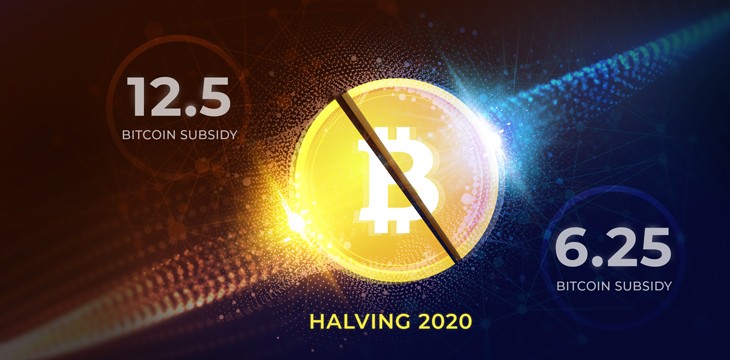
- 2016–2020: 12.5 BTC per block
- 2020–2024: 6.25 BTC per block
- 2024–2028: 3.125 BTC per block (upcoming)
- Impact on Supply:
By halving rewards, the supply of new bitcoins slows over time. This scarcity is similar to how precious metals like gold are mined at a gradually decreasing rate.
Why Bitcoin Halving Matters
1. Scarcity and Price
The reduced supply can create upward price pressure if demand remains strong. Historically, halvings have preceded major Bitcoin bull runs, though other market factors also influence price.
2. Mining Economics
With lower rewards, mining profitability can decline unless the price of Bitcoin rises or miners optimize efficiency. This can lead to some miners leaving the network, temporarily reducing hash power.
3. Market Psychology
Bitcoin halvings are widely anticipated in the crypto community. Traders and investors often adjust strategies based on potential price impacts.
Historical Halving Events
- 2012 Halving: Price rose from ~$12 to over $1,000 in the following year.
- 2016 Halving: Price increased from ~$650 to nearly $20,000 by the end of 2017.
- 2020 Halving: Bitcoin rose from ~$8,700 to over $64,000 in 2021.
While past performance doesn’t guarantee future results, these events have historically had major market implications.
Risks and Considerations
- Volatility: Halvings often increase market speculation, leading to large price swings.
- Mining Pressure: Smaller miners may struggle to remain profitable if Bitcoin prices do not rise.
- No Guarantees: Price increases are not guaranteed; broader economic and market conditions also matter.
Looking Ahead: 2025–2026
The next Bitcoin halving is expected around April 2024–2025, reducing block rewards to 3.125 BTC. This halving will continue the long-term trend of decreasing supply, reinforcing Bitcoin’s scarcity model and potentially influencing adoption, institutional interest, and market dynamics in the coming years.
Final Thoughts
Bitcoin halving is one of the most important mechanisms in the crypto ecosystem. By systematically reducing the supply of new bitcoins, it creates scarcity, affects mining economics, and influences market behavior. Understanding halvings is essential for miners, traders, and long-term investors looking to navigate Bitcoin’s cycles in 2025–2026 and beyond.