Key Takeaways
- Bitcoin halving is an event that reduces the mining reward for new blocks by 50%, occurring approximately every four years.
- Halvings historically influence Bitcoin’s supply, market sentiment, and often precede price increases.
- Understanding halving helps investors anticipate supply shocks and plan long-term strategies in 2025–2026.
What Is Bitcoin Halving? Understanding the 2025–2026 Impact
Bitcoin, the world’s first cryptocurrency, operates on a unique monetary schedule coded directly into its blockchain. One of the most important features is the Bitcoin halving, a recurring event that reduces the rewards miners receive for validating transactions. By 2025–2026, Bitcoin’s next halving is already influencing investor expectations, miner strategies, and the broader crypto market.
This guide explains what Bitcoin halving is, how it works, and why it matters for investors and the cryptocurrency ecosystem.
How Bitcoin Halving Works
Bitcoin mining involves solving complex cryptographic puzzles to add new blocks to the blockchain. Miners are rewarded with new Bitcoin for each block they successfully mine. However, the reward does not remain constant: approximately every 210,000 blocks—or roughly every four years—the reward is halved.
- First halving (2012): Block reward reduced from 50 BTC to 25 BTC.
- Second halving (2016): Reduced from 25 BTC to 12.5 BTC.
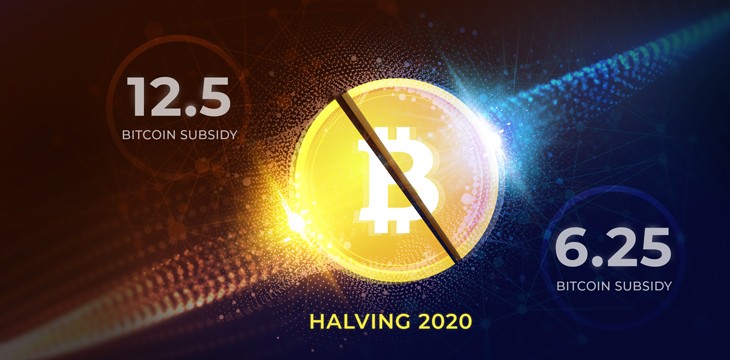
- Third halving (2020): Reduced from 12.5 BTC to 6.25 BTC.
- Upcoming halving (2024–2025): Expected to reduce the reward to 3.125 BTC per block.
Halving slows the rate at which new Bitcoin enters circulation, making the asset increasingly scarce over time.
Why Bitcoin Halving Matters
1. Impact on Supply
Bitcoin’s total supply is capped at 21 million coins. Halving events reduce the flow of new coins into the market, creating a built-in deflationary mechanism. With fewer new Bitcoins entering circulation, scarcity tends to increase, which historically has affected market prices.
2. Mining Economics
For miners, halving cuts rewards in half, impacting profitability. Miners must balance electricity costs, hardware efficiency, and network difficulty to continue operations. By 2025–2026, innovations in energy-efficient mining and layer‑2 solutions could mitigate the economic pressure on miners.
3. Market Psychology
Historically, halvings have been associated with bullish market sentiment. Investors often anticipate the reduction in supply and position themselves accordingly. While past performance is not a guarantee of future results, halving events tend to trigger heightened interest and trading activity in Bitcoin.
Bitcoin Halving and Price Trends
Past halvings have sometimes preceded notable price rallies:
- 2012 halving: BTC price rose from ~$12 to over $1,100 within a year.
- 2016 halving: BTC price rose from ~$650 to nearly $20,000 by late 2017.
- 2020 halving: BTC price increased from ~$8,800 to an all-time high above $68,000 in 2021.
While correlation does not imply causation, reduced supply combined with growing demand can create upward pressure on prices. Analysts watch the 2024–2025 halving closely for potential market shifts.
How to Prepare for the 2025–2026 Halving
Investors, miners, and enthusiasts often take proactive steps ahead of halving events:
- For Investors: Consider long-term holding strategies and risk management in anticipation of potential price volatility.
- For Miners: Upgrade to more energy-efficient hardware or optimize operations to maintain profitability post-halving.
- For the Crypto Community: Monitor network health, hash rates, and transaction volumes to anticipate systemic impacts.
Being informed about halving dynamics can help market participants make strategic decisions.
Conclusion: Bitcoin Halving as a Core Feature of Digital Scarcity
Bitcoin halving is a foundational event that ensures scarcity, affects mining economics, and can influence market sentiment. By 2025–2026, understanding halving is essential for anyone involved in cryptocurrency—whether you are an investor, miner, or simply a crypto enthusiast.
It is more than a technical protocol feature; it is a predictable, recurring event that reinforces Bitcoin’s role as a deflationary digital asset, shaping its long-term market narrative and scarcity-driven value proposition.