Key Takeaways
- Rug pulls remain a leading crypto scam in 2025–2026 despite improved regulation.
- Scammers increasingly use AI hype, synthetic communities, and deceptive tokenomics.
- Strong due diligence—smart contract checks, team vetting, and behavioral analysis—is essential.
What Is a Rug Pull? Inside One of Crypto’s Most Persistent Scams
As digital assets continue maturing into 2025 and 2026, investors are more informed, regulators more assertive, and major platforms more transparent. Yet one threat still plagues the industry: the rug pull. Even with grassroots awareness and advanced on-chain analytics, this scam remains one of the fastest ways for bad actors to extract liquidity and disappear. Understanding how rug pulls work—and how they’ve evolved—is crucial for anyone participating in today’s hyperactive crypto market.
How Rug Pulls Work in 2025–2026
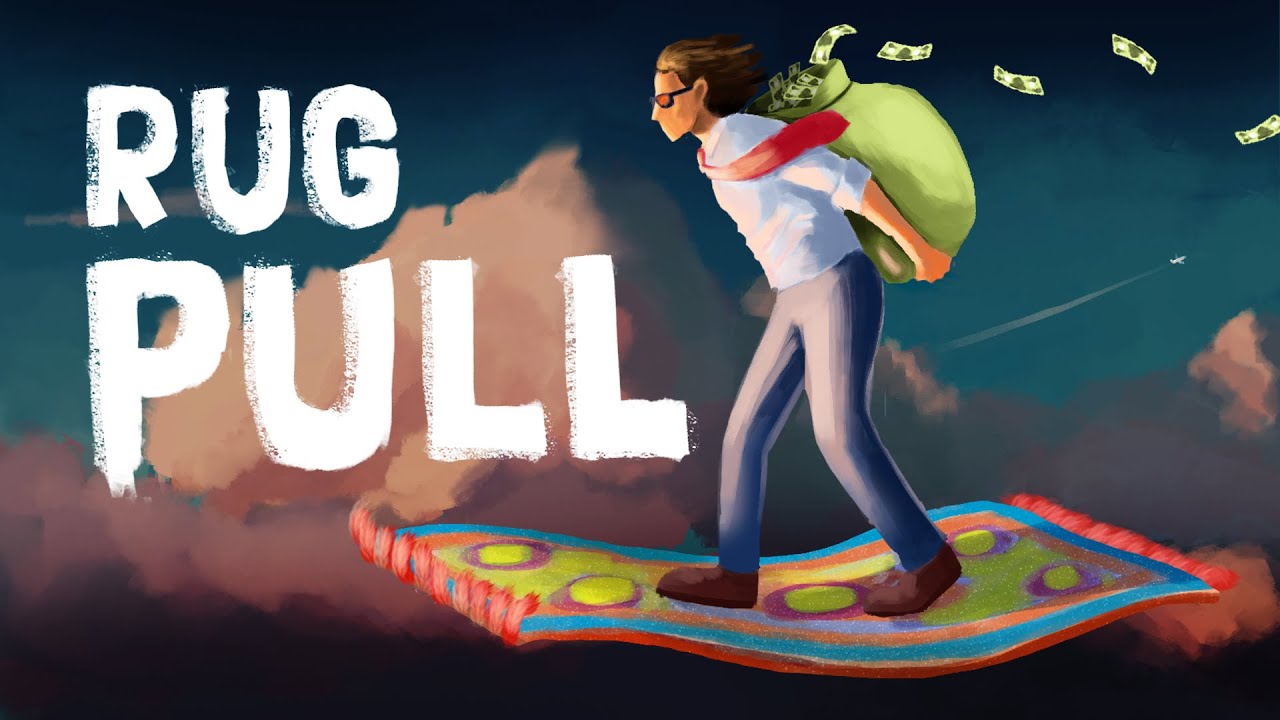
A rug pull happens when a development team abandons a project and drains investor funds, usually from a liquidity pool. Many scams mimic the structure of legitimate early-stage crypto ventures: polished websites, convincing whitepapers, and active social channels. But beneath that façade, the intent is extraction—not innovation.
Modern rug pulls typically follow three patterns. The first is liquidity theft, where developers withdraw the assets from a decentralized exchange pool, collapsing the token price instantly. The second is insider dumping, where large token holders sell massive allocations into retail demand. The third is silent abandonment, where a team vanishes after raising capital.
By 2026, scammers increasingly integrate AI-generated marketing campaigns, deepfake team members, and cloned repositories to manufacture legitimacy. These tactics blur the line between high-risk experimentation and outright fraud, making careful due diligence non-negotiable.
Why Rug Pulls Persist Despite Stronger Regulation
Global crypto regulation has strengthened significantly—especially across the EU, UAE, Singapore, and Australia—but most rug pulls occur in decentralized environments where anonymity is still possible and enforcement is slow.
Another factor is speed. Token creation has become frictionless. In 2025, developers can deploy new tokens within minutes, often using pre-audited smart contracts that appear legitimate but contain hidden exploits. Combined with the explosive meme-coin culture, scammers have a steady stream of eager investors chasing quick gains.
Even legitimate teams create confusion; when communication stops or promises fall through, investors may mistake failure for fraud. This ambiguity allows scammers to blend into the chaotic landscape of early-stage crypto development.
How to Identify a Rug Pull Before It Happens
Spotting a rug pull early requires examining both technical fundamentals and social behavior.
The technical layer should always come first. Liquidity must be locked, ownership should be renounced or properly controlled, and minting or trading functions must be clearly restricted. Tools that scan smart contracts have become mainstream in 2026, but automated analysis is only a starting point.
Team legitimacy is equally important. Anonymous founders are common, but projects with no verifiable track record or no transparent communication carry far more risk. Real-time activity across GitHub, X, Telegram, and Discord often reveals more than any roadmap.
The final layer is market behavior. Unrealistic yields, hyper-aggressive marketing, sudden liquidity spikes, and overly concentrated token distributions are often early signs of manipulation.
In 2025–2026, due diligence is no longer optional—it’s part of participating responsibly in Web3.
The Future of Rug Pulls
Rug pulls will persist for one simple reason: markets reward speed. As long as retail investors continue chasing fast returns, scammers will find ways to exploit momentum and emotion.
But the environment is shifting. Community whistleblowers catch red flags faster. Smart contract scanners are embedded into most wallets. Exchanges enforce stricter listing requirements. Even social platforms are starting to flag suspicious crypto activity.
Still, personal responsibility remains the strongest defense. Crypto markets reward curiosity, but they also punish negligence. Those who understand the mechanics behind rug pulls are far better equipped to avoid them.
Conclusion: Protecting Yourself in a High-Risk Market
Understanding what a rug pull is has become essential for navigating crypto in 2025 and 2026. These scams have grown more sophisticated, but so have the tools and communities built to detect them. By focusing on fundamentals, verifying claims, and treating every new token with healthy skepticism, investors can dramatically reduce their exposure to fraud.
Crypto innovation moves fast—but so do the scams. Staying informed is your best protection.