Key Takeaways
- A crypto wallet manages your private keys, not the coins themselves.
- In 2025–2026, wallets serve as multi-chain gateways for DeFi, NFTs, and digital identity.
- Choosing between custodial and non-custodial wallets defines how much control you hold over your assets.
What Is a Crypto Wallet?
A 2025–2026 Guide to How Digital Asset Storage Really Works
As crypto adoption accelerates into 2025 and 2026, one question continues to define how newcomers enter the market: What is a crypto wallet—and why does it matter so much? With blockchain networks powering payments, gaming, DeFi, tokenized assets, and cross-chain applications, the wallet has evolved from a simple storage tool into a core gateway for digital ownership. Understanding it is essential for anyone looking to invest, build, or simply navigate the web3 landscape securely.
Below is a clear, practical look at how crypto wallets work today, why they are more important than ever, and how users can choose the right option in a rapidly shifting ecosystem.
Why Crypto Wallets Matter in 2025–2026
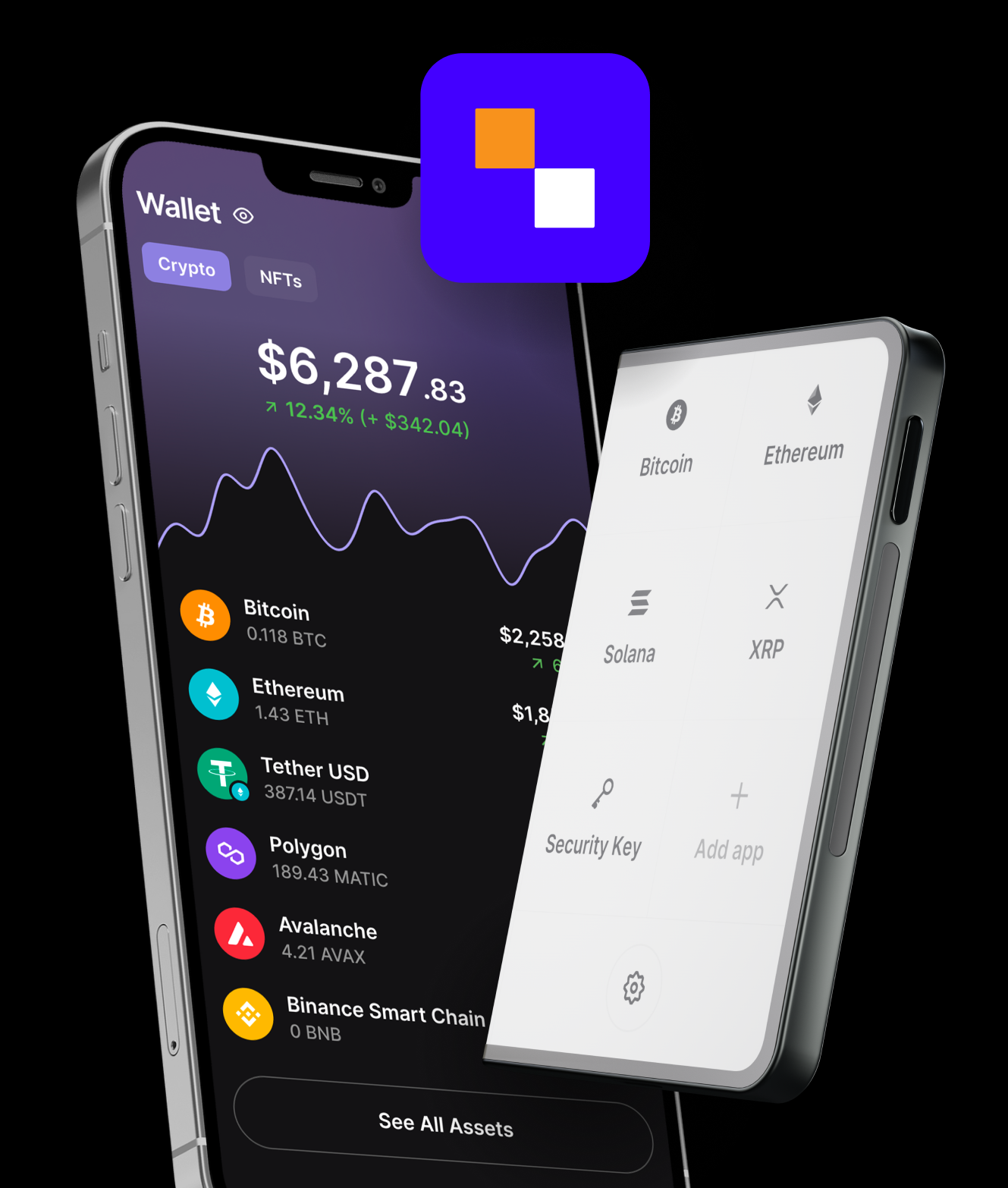
The concept of a crypto wallet can feel abstract, especially because it doesn’t store your coins the way a physical wallet holds cash. Instead, a crypto wallet manages the cryptographic keys that prove ownership of your digital assets. These keys allow you to sign transactions, access decentralized apps, and interact with multiple blockchains.
By 2025, wallets have evolved far beyond basic storage. Many now serve as multi-chain control centers—connecting users to DeFi platforms, NFT marketplaces, decentralized identity services, and on-chain gaming economies. Wallets have also merged more deeply with consumer platforms, creating simpler interfaces that hide technical complexity without compromising control.
At the same time, the stakes are higher. The continued rise of hacks, phishing attacks, and rug pulls has made secure wallet practices a mandatory skill for anyone engaging with crypto. Understanding what a wallet is—and what type you need—is the first step toward navigating this environment safely.
How Crypto Wallets Actually Work
The key to understanding crypto wallets is recognizing that the assets themselves never leave the blockchain. What the wallet manages are public keys and private keys:
- Public Keys: Your blockchain “address” where assets can be sent.
- Private Keys: A unique cryptographic signature that proves the assets at that address belong to you.
In 2025 and 2026, most wallets rely on two major security models:
- Seed Phrase–based wallets – still widely used, but increasingly criticized for risk and user error. These generate a 12–24 word recovery phrase that must be stored securely.
- MPC (Multi-Party Computation) wallets – rapidly gaining adoption, especially in mobile apps and institutional platforms. They split the private key into multiple encrypted shares, improving safety without requiring seed phrase storage.
The second trend reflects a broader shift: crypto is moving toward safer, more user-friendly authentication. As this continues into 2026, wallet onboarding is becoming less technical and more similar to logging into a secure banking app.
Types of Crypto Wallets: Custodial vs. Non-Custodial
In 2025, the crypto industry is more divided than ever between custodial and non-custodial models—each serving a distinct purpose for investors and everyday users.
Custodial Wallets
Run by exchanges or platforms, these wallets manage keys on behalf of users. They offer:
- Simple onboarding
- Easy recovery options
- Fast trading access
However, the trade-off is control. Because the platform holds the private keys, users rely on the provider’s security measures. If the platform is compromised, assets may be at risk. Regulators have increased oversight in 2025, but users must still choose custodial services cautiously.
Non-Custodial Wallets
These give users full control over their private keys—making them popular among long-term investors, web3 users, and DeFi participants. The user is responsible for key management, but they also receive:
- Full ownership
- Broad DeFi and NFT access
- Multi-chain flexibility
In 2026, non-custodial wallets are expected to integrate more identity verification tools and safety features without sacrificing decentralization, closing the gap between usability and sovereignty.
Mobile, Hardware, and Browser Wallets: Which Is Best?
Choosing the right crypto wallet in 2025–2026 requires understanding the strengths of each category.
Mobile Wallets
The most popular choice globally, thanks to convenience and growing security features. Mobile wallets now include biometric authentication, MPC key management, and multi-chain support. They’re ideal for everyday use and DeFi interaction.
Hardware Wallets
These remain the gold standard for long-term security. Hardware wallets store private keys offline, making them highly resistant to hacks. They are best suited for large holdings and users who value cold storage stability.
Browser & Extension Wallets
Common in the DeFi and NFT community, these wallets are fast, flexible, and easy to connect to web platforms. They are convenient but more exposed to phishing and malware risks, making security awareness essential.
In practice, many users in 2025–2026 rely on a combination: mobile for daily activity, hardware for storage, and browser wallets for web-based dApps.
The Future of Crypto Wallets: What to Expect by 2026
Wallets are becoming smarter, safer, and more integrated. Three major trends are shaping the next phase:
- Account Abstraction: Wallets will handle gas fees, approvals, and transaction complexity automatically.
- Passkey Integration: Seed phrases may disappear entirely as biometric authentication becomes standard.
- AI-Assisted Security: Wallets will include automated fraud detection, risk scoring, and real-time transaction alerts.
By 2026, the crypto wallet may become a universal digital identity tool—supporting payments, tokenized assets, reputation scores, gaming credentials, and decentralized passports. Far from being just a storage app, the modern wallet will anchor how users move across the internet.
Conclusion: Your Crypto Wallet Is Your Gateway to Web3
As crypto becomes more mainstream in 2025 and 2026, understanding what a crypto wallet is—and how it protects your assets—is no longer optional. The wallet is your interface to the blockchain, your key to financial sovereignty, and your passport into the expanding world of decentralized applications. Choosing the right one requires balancing convenience, control, and long-term security. But once you understand how it works, it becomes the foundation for safe, confident participation in the digital economy.