Key Takeaways
- A crypto wallet stores your private keys—not your actual coins—and secures access to your digital assets.
- There are two main types: hot wallets (online) and cold wallets (offline).
- In 2025, wallet security and user-friendly designs are driving mainstream crypto adoption.
What Is a Crypto Wallet? How Digital Wallets Keep Your Cryptocurrency Secure in 2025
As digital assets become increasingly mainstream, the term “crypto wallet” has entered everyday conversation. Yet many new investors still misunderstand what these wallets actually do. Contrary to popular belief, a crypto wallet doesn’t “store” cryptocurrency the way a physical wallet holds cash. Instead, it protects something far more valuable—your private keys, which grant access to your coins on the blockchain.
In an era when billions of dollars move through Web3 platforms, NFT marketplaces, and DeFi protocols, knowing how crypto wallets work is essential for anyone entering the blockchain economy of 2025 and beyond.
Understanding the Basics: What Is a Crypto Wallet?
A crypto wallet is a tool—software, hardware, or even paper—that allows users to send, receive, and store digital assets like Bitcoin, Ethereum, or NFTs. It interacts with the blockchain to manage ownership of your cryptocurrency through two critical components:
- Public Key: Like an account number, this address is shared to receive funds.
- Private Key: Like a password, it must be kept secret. Whoever controls the private key controls the funds.
When you “own” crypto, what you truly own is the private key that proves ownership of blockchain-based assets. Lose that key, and your funds are gone—there’s no password reset or recovery hotline in the decentralized world.
How Crypto Wallets Work
Each transaction on a blockchain must be signed with your private key to prove it’s legitimate. Your wallet manages this process seamlessly, connecting to the network and verifying that you’re the rightful owner of the assets being moved.
For example, when you send Ethereum from your wallet to a friend, your wallet:
- Prepares the transaction data (recipient, amount, and gas fee).
- Uses your private key to sign and authorize it.
- Broadcasts it to the blockchain, where miners or validators confirm it.
This cryptographic process ensures security, transparency, and ownership, forming the backbone of decentralized finance.
Types of Crypto Wallets: Hot vs. Cold
Crypto wallets fall into two broad categories—hot wallets and cold wallets—each serving different security and convenience needs.
1. Hot Wallets (Online Wallets)
Hot wallets are connected to the internet, making them ideal for daily transactions or DeFi interactions. They include:
- Web wallets (e.g., MetaMask, Coinbase Wallet)
- Mobile wallets (e.g., Trust Wallet, Rainbow)
- Desktop wallets (e.g., Exodus, Electrum)
While convenient, hot wallets are more vulnerable to hacking or phishing because they remain online. Strong passwords, two-factor authentication, and hardware pairing are essential defenses.
2. Cold Wallets (Offline Storage)
Cold wallets keep your private keys offline, away from internet exposure. They are best for long-term storage or large holdings. Types include:
- Hardware wallets (e.g., Ledger, Trezor)
- Paper wallets (printed or written private keys)
Because cold wallets can’t be remotely hacked, they’re considered the gold standard for crypto security, especially for investors safeguarding significant assets.
Custodial vs. Non-Custodial Wallets
Another key distinction is who controls your private keys.
- Custodial wallets are provided by exchanges like Binance or Coinbase, which hold your keys on your behalf. They’re beginner-friendly but mean you don’t truly own your crypto.
- Non-custodial wallets give you full control of your private keys. These are favored by seasoned users who value sovereignty and privacy but require greater responsibility.
In the crypto world, there’s a famous saying:
“Not your keys, not your coins.”
It highlights why understanding wallet custody is crucial for personal security.
Crypto Wallets in 2025: Smarter, Safer, and More Connected
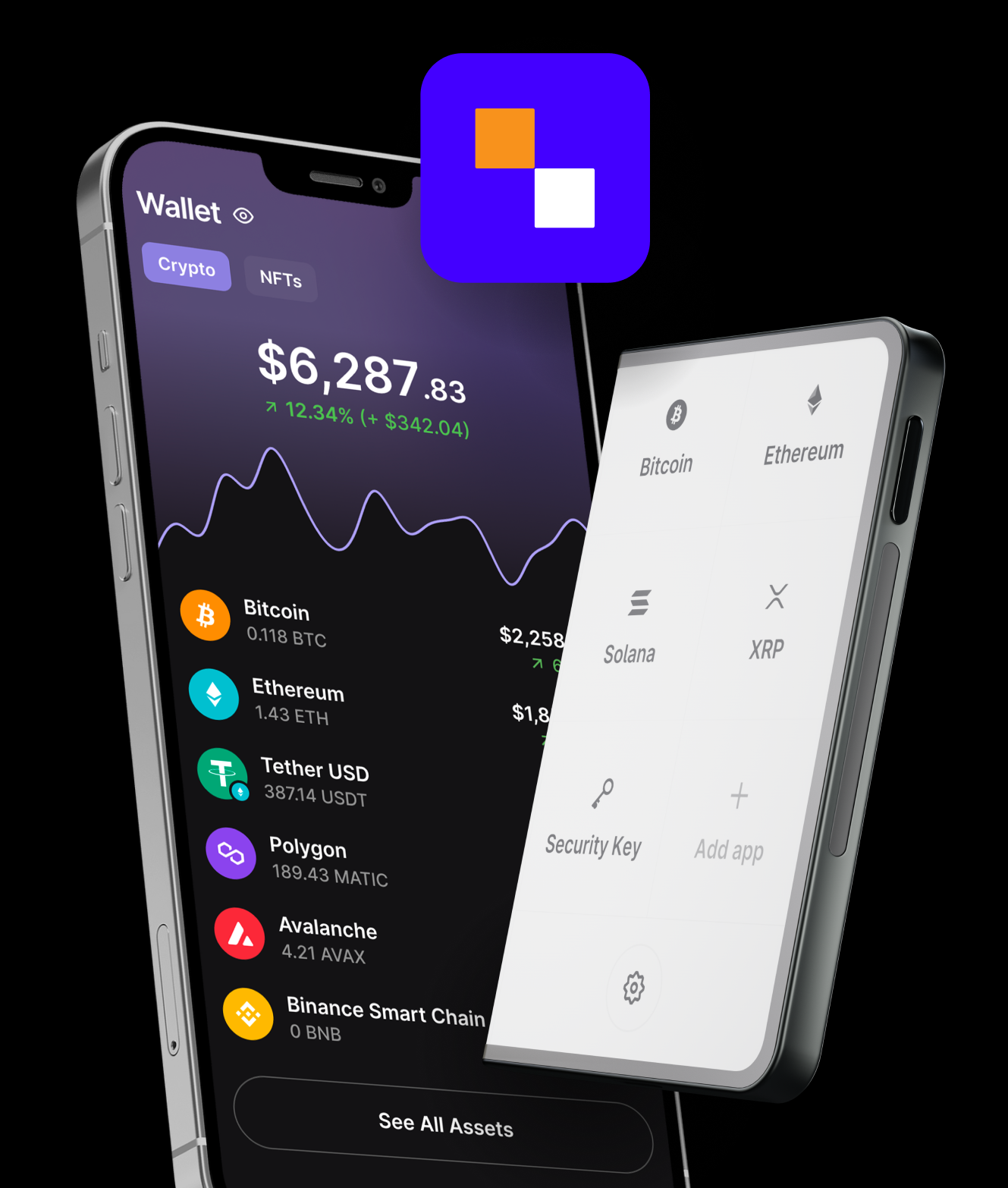
By 2025, crypto wallets have evolved from basic storage tools to full-fledged Web3 gateways. Modern wallets don’t just hold coins—they connect users to NFT marketplaces, decentralized exchanges (DEXs), and even play-to-earn games.
Innovations shaping the 2025 landscape include:
- Smart contract wallets like Argent or Safe, offering social recovery and programmable features.
- Multi-chain compatibility, enabling seamless use across Ethereum, Solana, Polygon, and Layer 2 networks.
- Biometric authentication for mobile wallets, blending traditional fintech security with blockchain trust.
These upgrades make wallets more user-friendly without compromising decentralization—helping bridge the gap between crypto enthusiasts and everyday consumers.
Security Risks and Best Practices
Even as wallets become more sophisticated, user security remains the weakest link. Common threats include:
- Phishing attacks that mimic wallet interfaces to steal keys.
- Malware or fake apps that intercept seed phrases.
- Social engineering scams where users are tricked into revealing credentials.
To safeguard your crypto:
- Always write down and store seed phrases offline in multiple safe locations.
- Avoid sharing private keys under any circumstance.
- Use hardware wallets for large holdings.
- Verify websites and browser extensions before connecting your wallet.
With rising digital asset adoption, mastering wallet security is no longer optional—it’s essential.
How Wallets Fit into the Web3 Economy
Crypto wallets are more than security tools—they’re the passport to the decentralized web. Through wallets, users:
- Access DeFi lending protocols like Aave or Compound.
- Trade NFTs on platforms such as OpenSea.
- Participate in governance through DAO voting.
- Engage in play-to-earn gaming and blockchain identity systems.
As traditional finance merges with Web3, wallets are becoming the digital identity hubs for both personal assets and online activity.
By 2026, we may see wallets integrated with AI-driven analytics, allowing users to track portfolios, taxes, and staking rewards in one interface.
Conclusion: The Key to Crypto Freedom
A crypto wallet isn’t just a storage device—it’s the foundation of digital financial independence. By safeguarding private keys, it ensures that users—not banks or intermediaries—retain full control of their money.
As the blockchain ecosystem expands, understanding how wallets function empowers individuals to participate safely and confidently in the Web3 revolution.
In short, learning what a crypto wallet is isn’t just technical—it’s fundamental to taking part in the next era of global finance.