Key Takeaways
- Tracking your crypto portfolio in 2025–2026 is essential for managing risk, evaluating performance, and optimizing investments across multiple blockchains and Layer 2 networks.
- Portfolio tracking can be done via apps, spreadsheet tools, or on-chain dashboards, integrating wallets, exchanges, and staking platforms.
- Accurate tracking helps with tax reporting, informed decision-making, and staying aware of exposure to volatile tokens or DeFi positions.
How to Track Your Crypto Portfolio
As crypto adoption grows through 2025 and 2026, portfolios are becoming increasingly complex. Investors hold tokens across multiple blockchains, Layer 2 networks, decentralized finance (DeFi) platforms, and NFT collections. Without proper tracking, it’s easy to lose sight of performance, risk exposure, and tax obligations.
Tracking your crypto portfolio is not just about knowing your current balance—it’s about gaining insights to make informed decisions, allocate capital effectively, and protect your assets from loss.
Why Portfolio Tracking Matters
Crypto markets are highly volatile, and prices can change dramatically within minutes. Effective portfolio tracking allows you to:
- Monitor Performance: See gains, losses, and ROI across assets and timeframes.
- Manage Risk: Understand exposure to volatile coins, leverage, and liquidity pools.
- Optimize Opportunities: Identify underperforming assets or promising new investments.
- Simplify Taxes: Track transactions, trades, staking rewards, and DeFi activity for reporting purposes.
In 2025–2026, cross-chain activity and Layer 2 adoption make tracking tools more critical than ever.
Methods to Track Your Portfolio
1. Dedicated Portfolio Tracker Apps
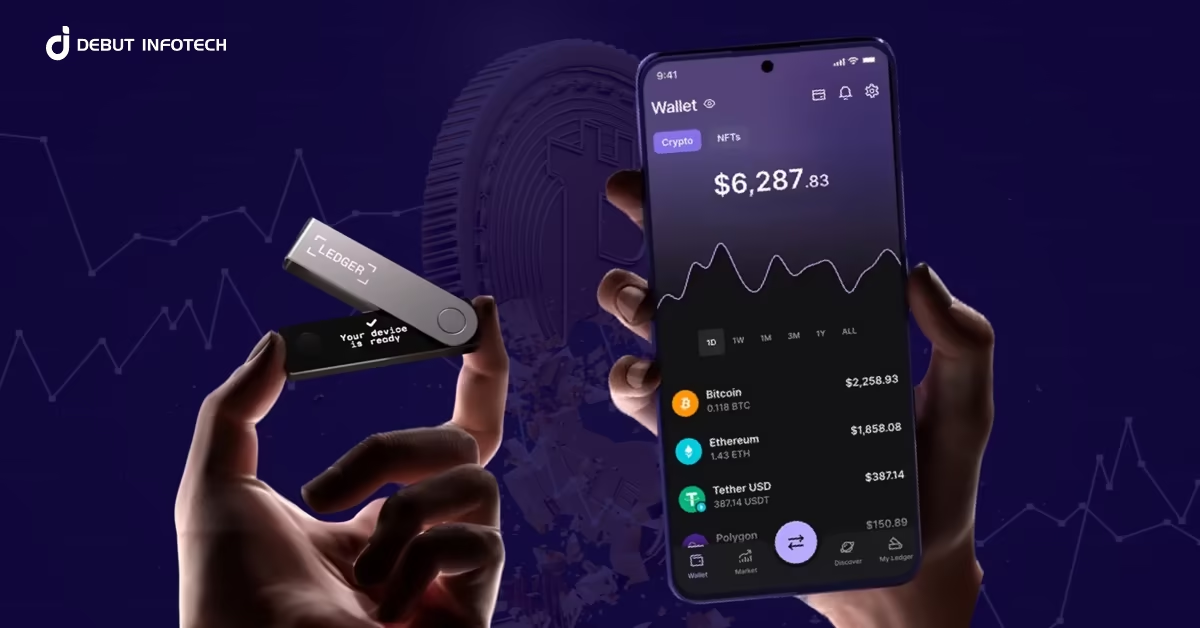
Apps like Zerion, Debank, CoinStats, and CoinGecko Portfolio allow users to connect wallets and exchanges, automatically aggregating balances. Features often include:
- Multi-chain and Layer 2 support
- NFT portfolio tracking
- DeFi and staking yield overview
- Historical performance charts
These tools provide real-time dashboards and notifications for market movements.
2. Spreadsheet Tracking
For those who prefer manual control, spreadsheets remain a reliable option. You can:
- Import data from exchanges via CSV
- Track wallet balances manually or with APIs
- Calculate portfolio allocation, gains, and losses
- Include DeFi positions and NFT valuations
Spreadsheets offer flexibility but require more maintenance.
3. On-Chain Dashboards
Tools like Dune Analytics, Nansen, and Glassnode track portfolio activity directly on-chain, offering deep insights into wallet behavior and DeFi exposure. Benefits include:
- Transparency of token holdings
- Tracking yield farming and staking positions
- Detecting exposure to high-risk or low-liquidity assets
For advanced users, these dashboards reveal patterns that apps alone may not provide.
Integrating Layer 2s and Multi-Chain Assets
With Ethereum Layer 2 networks (Arbitrum, Optimism, Base, zkSync) and other blockchains (Solana, Avalanche, Polygon) gaining traction, portfolio tracking must account for:
- Cross-chain token balances
- Liquidity pool and farming rewards
- Gas fees and transaction history per chain
Many modern tracking tools allow you to connect multiple chains and automatically consolidate data for a single, clear view.
Best Practices for Accurate Portfolio Tracking
- Connect Only Verified Sources: Ensure wallets and exchanges are official to prevent phishing attacks.
- Update Frequently: Real-time updates prevent discrepancies between actual holdings and tracked balances.
- Track All Token Types: Include stablecoins, altcoins, governance tokens, NFTs, and DeFi positions.
- Use Alerts: Price and allocation alerts can help manage risk in volatile markets.
- Secure Your Data: For apps that require API keys, use read-only permissions and avoid giving withdrawal access.
By following these practices, you reduce errors and protect your assets.
Benefits of Tracking Your Crypto Portfolio in 2025–2026
- Simplified Decision-Making: Know which assets to hold, sell, or rebalance.
- Improved Risk Management: Avoid overexposure to volatile tokens.
- Optimized Yield Opportunities: Track DeFi rewards across networks.
- Efficient Tax Compliance: Easier reporting across wallets, DEXs, and staking platforms.
As digital assets continue to diversify and move across multiple ecosystems, structured portfolio tracking is essential for both beginners and experienced investors.
Conclusion
In the evolving crypto landscape of 2025–2026, tracking your portfolio is no longer optional—it’s a necessity. Whether you use apps, spreadsheets, or on-chain analytics tools, accurate tracking provides insights that protect your investments, reduce risk, and enhance opportunities.
By consistently monitoring your holdings, integrating multi-chain and Layer 2 assets, and maintaining secure practices, you can make informed decisions, maximize returns, and navigate the increasingly complex crypto ecosystem with confidence.