Key Takeaways:
- Accurate portfolio tracking helps you manage risk and optimize profits.
- The best crypto tracking apps in 2025 integrate with exchanges and wallets.
- Automated analytics and tax tools simplify long-term crypto investing.
How to Track Your Crypto Portfolio in 2025: The Smart Investor’s Guide
In the fast-moving world of cryptocurrency, prices can rise or crash in minutes — and without proper tracking, investors can lose sight of their performance, exposure, or profits. As crypto adoption grows in 2025, learning how to track your crypto portfolio effectively is essential to making informed decisions and staying profitable in an increasingly complex market.
Whether you’re trading Bitcoin, staking Ethereum, or holding NFTs and DeFi tokens, portfolio tracking gives you a clear picture of your holdings across different platforms, wallets, and blockchains.
Why Tracking Your Crypto Portfolio Matters
Unlike traditional investments that sit neatly in a brokerage account, cryptocurrencies are spread across multiple exchanges, wallets, and blockchains. Without a proper tracking system, it’s nearly impossible to know your total net worth or tax obligations.
Here’s why crypto portfolio tracking is vital in 2025:
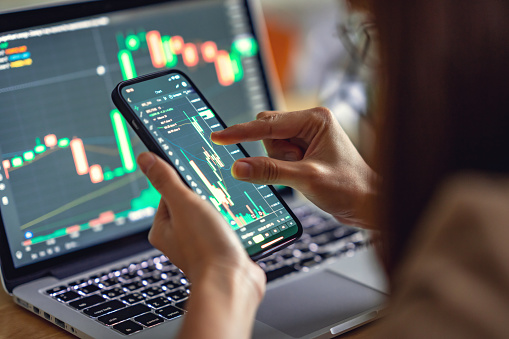
- Transparency of Holdings: Tracking tools consolidate your assets across exchanges, DeFi apps, and wallets into one dashboard.
- Performance Analysis: Real-time charts and analytics show gains, losses, and portfolio distribution.
- Risk Management: Knowing how much of your portfolio is in volatile or correlated assets helps balance exposure.
- Tax Reporting: Many modern apps automatically calculate capital gains and losses for tax purposes.
In short, accurate tracking turns crypto chaos into a structured investment strategy.
Key Features to Look For in a Portfolio Tracker
Not all portfolio trackers are built alike. In 2025, the best tools do more than display prices — they offer automation, security, and cross-chain compatibility. Here’s what to look for:
1. Exchange and Wallet Integration
A good tracker should automatically sync with popular exchanges like Binance, Coinbase, and Kraken, as well as wallets like MetaMask, Ledger, and Trust Wallet. This saves you from manual entry errors.
2. Real-Time Price Updates
With thousands of tokens across multiple chains, accurate pricing is crucial. Choose platforms that source data from reliable aggregators such as CoinGecko or CoinMarketCap.
3. Multi-Chain Support
As DeFi expands beyond Ethereum, support for Layer 2 networks (Arbitrum, Base, Optimism) and other chains (Solana, Avalanche, BNB Chain) ensures complete visibility.
4. DeFi and NFT Tracking
In 2025, portfolios often include staked tokens, yield farming positions, or NFTs. The best trackers display these alongside traditional holdings for a holistic view.
5. Tax and Performance Analytics
Look for features that automatically categorize transactions and calculate taxable events. Tools like Koinly or CoinTracking integrate directly with portfolio dashboards for seamless reporting.
Top Tools to Track Your Crypto Portfolio in 2025
While there are dozens of portfolio trackers on the market, a few stand out for their reliability, design, and advanced analytics. Here are some of the best in 2025:
1. CoinStats
CoinStats remains one of the most user-friendly trackers, offering integration with over 300 exchanges and wallets. Its DeFi dashboard supports Ethereum, Polygon, and BNB Chain, showing staked assets and yields in real time.
Why It’s Great: Built-in tax reports and AI-driven performance insights make it ideal for serious investors.
2. Zapper
Zapper is the go-to tracker for DeFi power users. It aggregates assets from decentralized protocols, liquidity pools, and NFTs in a single clean interface.
Why It’s Great: Seamless integration with MetaMask and hardware wallets plus a visual dashboard of DeFi positions.
3. CoinMarketCap Portfolio
Perfect for beginners, this tracker offers simplicity and fast setup. Users can manually input trades or link accounts via APIs for live updates.
Why It’s Great: Ideal for casual investors who want quick performance tracking without complex features.
4. DeBank
DeBank specializes in multi-chain DeFi analytics, providing precise tracking for yield farms, governance tokens, and lending protocols.
Why It’s Great: Advanced users can monitor liquidity pools and on-chain positions across 50+ blockchains.
5. Kubera
A premium tracker that blends traditional finance with crypto. Kubera lets users monitor stocks, NFTs, DeFi, and real estate in one dashboard — making it perfect for high-net-worth individuals.
Why It’s Great: Tracks both Web3 and Web2 wealth for a full-picture view of net worth.
How to Set Up a Crypto Portfolio Tracker
Setting up your tracker correctly ensures you get accurate, real-time data without compromising security.
- Connect Your Wallets and Exchanges: Use secure API keys or wallet addresses to automatically sync transactions. Never share private keys.
- Import Historical Data: Upload CSV files or link APIs to import past trades and transfers for a complete performance record.
- Categorize Assets: Label holdings as “long-term,” “DeFi,” or “NFT” to track different investment strategies.
- Set Alerts: Use price and portfolio alerts to respond quickly to market swings or rebalancing opportunities.
- Review Regularly: Check your dashboard weekly or monthly to assess performance, profits, and diversification.
By automating updates and analytics, you’ll spend less time tracking and more time optimizing your investments.
Common Mistakes to Avoid
Even experienced investors make errors when managing portfolios. Here’s what to watch out for:
- Relying on One Exchange: If it’s hacked or restricted, you could lose access to key data.
- Ignoring DeFi Positions: Untracked liquidity pools or staking rewards can distort performance metrics.
- Manual Tracking in Spreadsheets: While useful for small holdings, this method becomes inefficient and error-prone as portfolios grow.
- Neglecting Tax Reports: Missing transaction records can cause compliance issues during tax season.
Avoiding these pitfalls ensures accuracy and compliance — key to long-term crypto success.
The Future of Portfolio Tracking: AI and Automation
In 2025, portfolio trackers are increasingly powered by AI and predictive analytics. These tools not only display balances but also forecast returns, detect risk exposure, and suggest portfolio rebalancing automatically.
Upcoming innovations include:
- AI-driven trading insights tailored to your holdings.
- DeFi yield aggregators that identify the best opportunities across multiple blockchains.
- Cross-chain dashboards offering seamless visibility into all crypto and real-world tokenized assets.
As the crypto ecosystem matures, tracking your portfolio will feel less like spreadsheet management — and more like using a smart financial assistant.
Final Thoughts: Stay in Control of Your Crypto Future
Knowing how to track your crypto portfolio effectively is one of the most valuable skills for modern investors. In 2025, with markets more connected and volatile than ever, reliable tracking tools help you make smarter decisions, reduce risk, and stay compliant.
Whether you’re a casual holder or a DeFi strategist, consistent tracking isn’t just about numbers — it’s about control, strategy, and confidence in a digital world where information moves at lightning speed.
The investors who thrive in crypto’s next chapter won’t be the luckiest — they’ll be the most informed.