Key Takeaways
- A non-custodial wallet gives you full control over your crypto, keeping your private keys in your hands.
- Choosing the right wallet type—hardware, mobile, or desktop—is essential for security and convenience.
- Following security best practices ensures your assets remain safe from hacks and loss.
Why Non-Custodial Wallets Matter in 2025–2026
In the evolving crypto landscape of 2025–2026, security and self-sovereignty have never been more critical. Non-custodial wallets allow users to manage digital assets without relying on third parties, unlike exchange wallets, which hold private keys on your behalf.
This gives you complete ownership of your crypto, enabling participation in DeFi, staking, NFT marketplaces, and cross-chain activity through crypto bridges. However, with great control comes responsibility: losing your private keys means losing access to your assets permanently.
Step 1: Choose the Right Wallet Type
Selecting the appropriate wallet depends on your security needs, usability preferences, and asset types. Common options include:
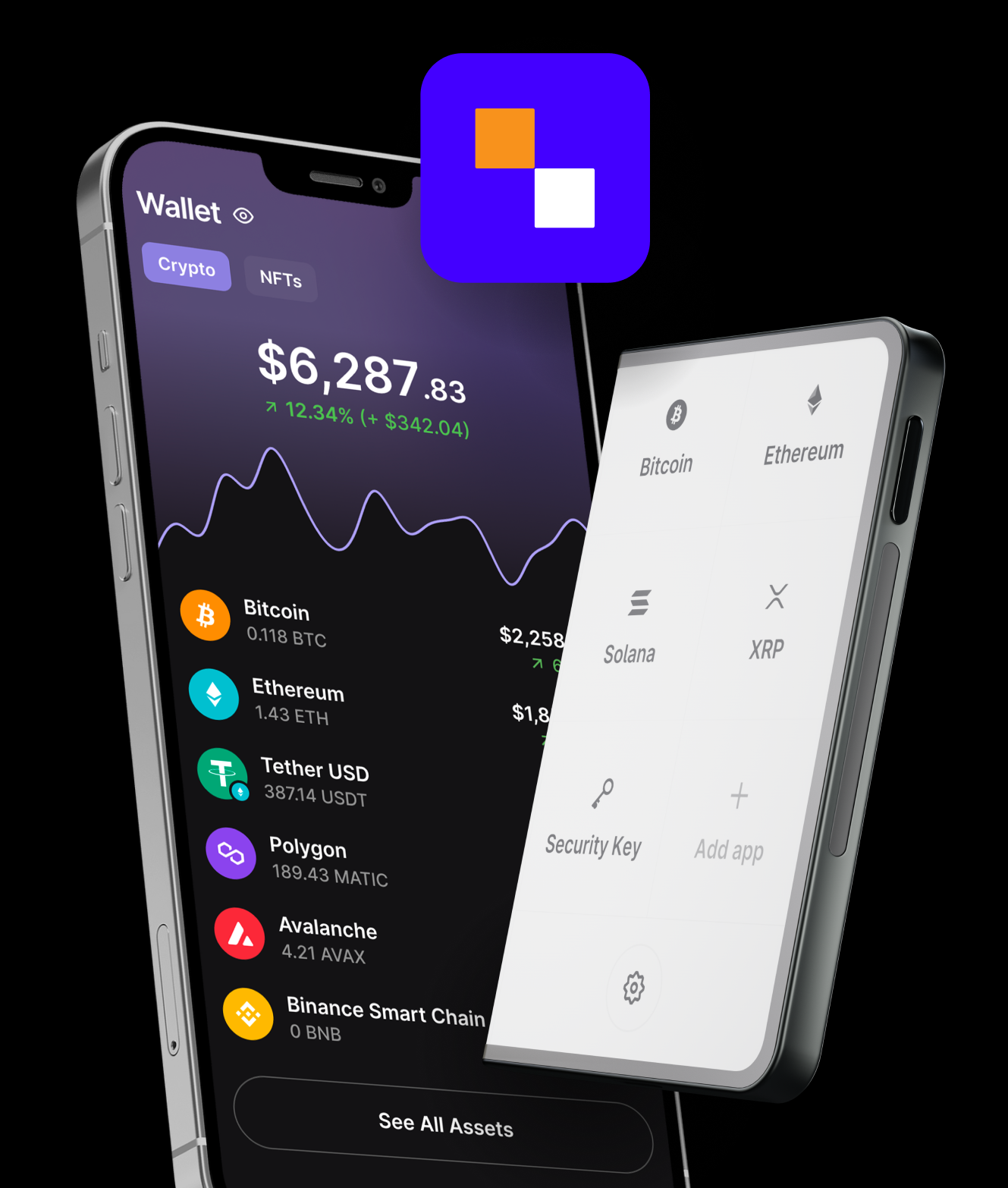
- Hardware Wallets: Physical devices like Ledger or Trezor. Highest security, offline storage. Ideal for long-term holders.
- Mobile Wallets: Apps like MetaMask, Trust Wallet, or Rainbow. Convenient for daily transactions, DeFi, and NFTs.
- Desktop Wallets: Installed on your PC, such as Exodus or Electrum. Good balance of security and usability.
- Browser Extensions: Lightweight and convenient, often used for quick DeFi interactions.
Each type supports different blockchains and asset classes, so ensure compatibility with the tokens you plan to hold.
Step 2: Install or Initialize the Wallet
After choosing your wallet type:
- Download from official sources only – always verify URLs to avoid phishing.
- Install the wallet software or set up your device according to instructions.
- Create a new wallet – this generates a private key and a seed phrase (12–24 words).
The seed phrase is crucial: it’s your backup if the wallet is lost or damaged. Never share it online or store it digitally in an unencrypted form.
Step 3: Secure Your Private Keys and Seed Phrase
Security is non-negotiable:
- Write down your seed phrase on paper and store it in a safe place.
- Consider metal backups to protect against fire, water, or physical damage.
- Never share your seed phrase or private key with anyone.
- Use password protection and biometric authentication where possible.
Your wallet is only as secure as the precautions you take. In 2025–2026, hardware and software wallets increasingly include advanced encryption and biometric features to enhance protection.
Step 4: Add Crypto Assets
Once the wallet is set up:
- Obtain your wallet address (public key).
- Transfer assets from exchanges, other wallets, or bridges to this address.
- Verify transactions on the blockchain to ensure your funds arrive safely.
Non-custodial wallets support multi-chain holdings, so you can store Ethereum, Solana, Polygon, Bitcoin, and many other tokens in a single wallet.
Step 5: Connect to Web3 Apps (Optional)
Many non-custodial wallets allow integration with DeFi platforms, NFT marketplaces, and cross-chain bridges:
- Connect securely using wallet connect protocols.
- Approve transactions carefully, checking contract permissions to avoid scams.
- Use multisig wallets for additional security in shared or high-value setups.
By connecting responsibly, you can interact with the broader Web3 ecosystem while keeping your private keys in your control.
Best Practices for 2025–2026
- Keep your wallet software updated to the latest version.
- Start with small test transactions when interacting with new apps or chains.
- Consider cold storage for long-term holdings.
- Regularly review security protocols and emerging threats, as bridges, DeFi, and NFT platforms evolve.
Conclusion: Control Your Crypto Safely
Setting up a non-custodial wallet in 2025–2026 is a foundational step for any crypto user. With the right wallet type, strong security practices, and careful management of private keys, you maintain full control over your digital assets.
Non-custodial wallets are not just a tool—they’re a gateway to the decentralized world, empowering you to participate confidently in DeFi, NFTs, and cross-chain ecosystems while keeping your crypto secure.