Key Takeaways:
- Always verify project transparency and developer credibility.
- Unrealistic yields and no audit are major red flags.
- Use blockchain tools to track liquidity and token movement.
How to Identify a Rug Pull in Crypto (2025 Guide)
As the crypto market enters 2025, innovation continues to move fast — but so do the scams. Among the most notorious is the rug pull, a deceptive tactic where project developers vanish after draining investors’ funds. Despite stronger regulations and smarter investors, rug pulls remain one of the biggest risks in decentralized finance (DeFi) and meme coin ecosystems.
Understanding how to identify a rug pull is critical for anyone trading or investing in cryptocurrencies in 2025. This article breaks down what rug pulls look like today, how they evolve, and practical steps to protect yourself.
What Is a Rug Pull?
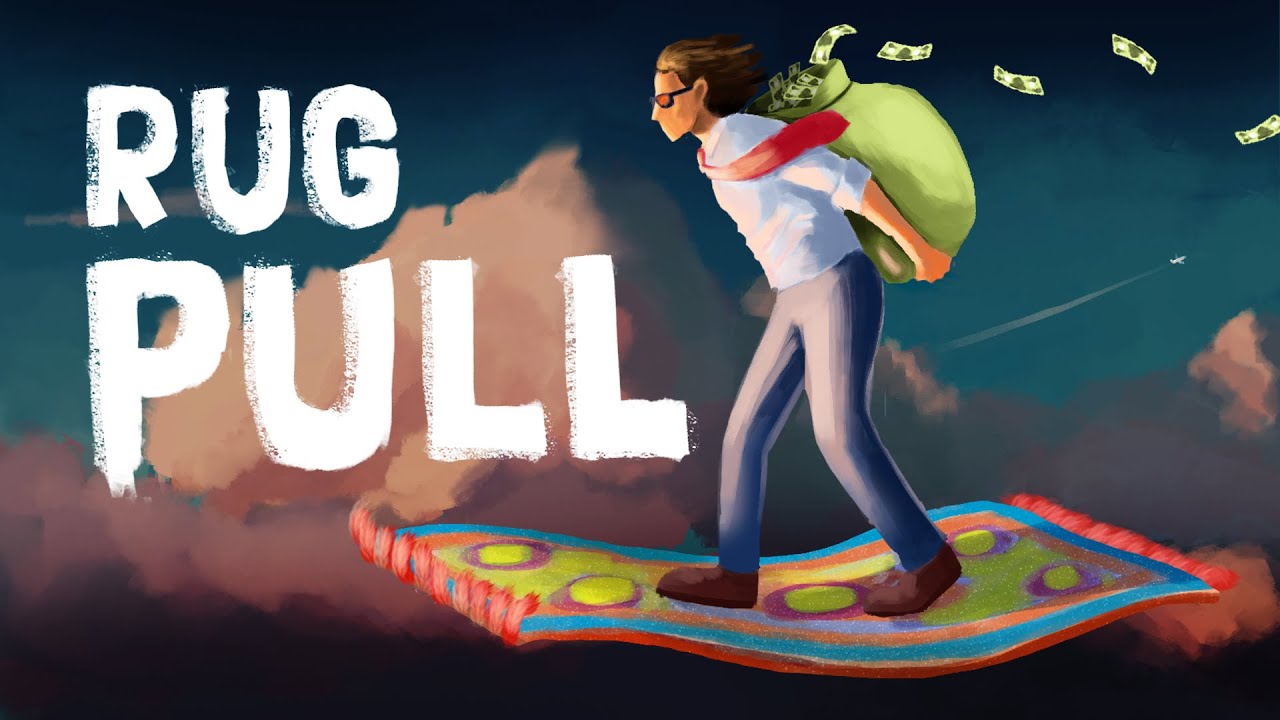
A rug pull occurs when developers of a crypto project — often a token, NFT collection, or DeFi platform — abandon it after taking investors’ money. They might withdraw liquidity from a trading pool, disable withdrawals, or simply disappear with project funds.
In decentralized exchanges (DEXs) like Uniswap or PancakeSwap, rug pulls typically happen when a team creates a new token, pairs it with a major asset like ETH or BNB, and builds hype through social media. Once enough investors buy in, the team removes the liquidity, leaving token holders with worthless coins.
In 2025, rug pulls have grown more sophisticated. Scammers now use advanced marketing, AI-generated content, and fake audits to appear legitimate. Some even maintain their projects for months before executing the exit, making vigilance more important than ever.
Common Signs of a Rug Pull in 2025
Identifying a rug pull isn’t always easy, but there are consistent red flags that every investor should recognize.
1. Anonymous or Unverified Team
Projects led by anonymous developers without verifiable LinkedIn profiles, public track records, or community engagement are high risk. While anonymity is common in crypto culture, legitimate teams often provide some transparency — such as KYC verification, previous project experience, or partnerships with known entities.
2. Unrealistic Returns and Marketing Hype
If a project promises “guaranteed” returns of 1,000% in days, it’s likely too good to be true. Many rug pulls exploit fear of missing out (FOMO) through social media campaigns, influencer endorsements, or Telegram groups. In 2025, scammers increasingly use AI-generated influencer videos and deepfake promotions to build false credibility.
3. Locked or Removable Liquidity
Liquidity is the lifeblood of any decentralized token. Before investing, check if the project’s liquidity pool is locked — meaning the developers can’t withdraw it immediately. Tools like DEXTools, Token Sniffer, and Bubblemaps can help you inspect smart contracts. If the liquidity isn’t locked or is controlled by a single wallet, that’s a major warning sign.
4. No Audit or Fake Audit
A legitimate project will often undergo a smart contract audit by a reputable firm such as CertiK, Hacken, or PeckShield. Be cautious of fake audits — scammers sometimes fabricate certificates or link to non-existent audit pages. Always verify the audit report directly from the auditing firm’s official website.
5. Unverified Token Contract
A rug pull may use unverified smart contracts or contain hidden code allowing developers to mint unlimited tokens or block sales. Review the contract on Etherscan, BscScan, or Arbiscan, and look for warnings or user comments about suspicious activity.
How Rug Pulls Evolved in 2025
In earlier crypto cycles, rug pulls were often crude — a developer simply vanished after a token launch. By 2025, rug pulls have evolved into multi-stage operations that can appear professional and long-term.
Some modern tactics include:
- Slow Rug Pulls: Developers gradually drain liquidity or manipulate token prices over weeks or months to avoid detection.
- Governance Exploits: Scammers create DAOs (decentralized autonomous organizations) and later alter governance parameters to seize control.
- Fake Partnerships: Teams claim to collaborate with major exchanges or brands, often using doctored screenshots or fabricated press releases.
This evolution makes due diligence — not blind trust — your best protection.
How to Protect Yourself from a Rug Pull
1. Verify the Team and Roadmap
Research the developers and check whether their identities are publicly verifiable. Authentic projects usually have visible founders, GitHub activity, and consistent communication across official channels.
2. Examine On-Chain Activity
Blockchain analysis tools can expose red flags hidden behind marketing gloss. Look for:
- Large token allocations to a single wallet.
- Frequent developer wallet withdrawals.
- Unusual liquidity movements.
Platforms like Arkham Intelligence and Nansen.ai have become essential in 2025 for tracking suspicious on-chain activity.
3. Check Liquidity Locks and Tokenomics
Ensure the token’s liquidity is locked for a reasonable duration — typically 6 to 12 months or more. A fair launch should also have transparent token distribution, with minimal insider control.
4. Join the Community
Engage with a project’s community on Discord, X (formerly Twitter), or Telegram. Genuine communities allow open discussion and developer Q&As, while scam projects often silence critics or limit messaging.
5. Diversify and Use Stop-Loss Strategies
Even with all precautions, some rug pulls are difficult to predict. Diversify your portfolio and use stop-loss settings when trading to limit potential losses. Never invest money you can’t afford to lose.
The Role of Regulation and AI in 2025
As the crypto sector matures, regulators worldwide — from the U.S. SEC to the EU’s MiCA framework — are tightening rules around token launches and DeFi protocols. These frameworks aim to improve transparency and investor protection, though enforcement remains a challenge for anonymous teams.
Meanwhile, AI-driven security analytics are becoming powerful tools against rug pulls. Startups in 2025 are developing predictive models that analyze on-chain patterns to flag potential exit scams before they happen, adding a new layer of protection for users.
The Bottom Line
Rug pulls are a painful reminder that the crypto market’s openness cuts both ways — offering freedom, but also risk. As 2025 pushes the boundaries of decentralized innovation, investors must pair optimism with caution.
Learning how to identify a rug pull means understanding not just the signs of fraud, but the psychology of hype and greed that enables it. Do your research, use trusted tools, and stay skeptical of overnight riches.
In crypto, knowledge is the strongest defense — and the only way to ensure that the rug stays firmly under your feet.