Key Takeaways
- Choosing the right altcoin requires analyzing fundamentals, use cases, developer activity, market liquidity, and long-term viability.
- Researching the project’s team, tokenomics, roadmap, and community can help avoid scams and speculative traps.
- In 2025–2026, altcoins with real-world utility, strong ecosystems, and cross-chain compatibility are better positioned for growth.
How to Choose the Right Altcoin: A 2025–2026 Guide for Investors
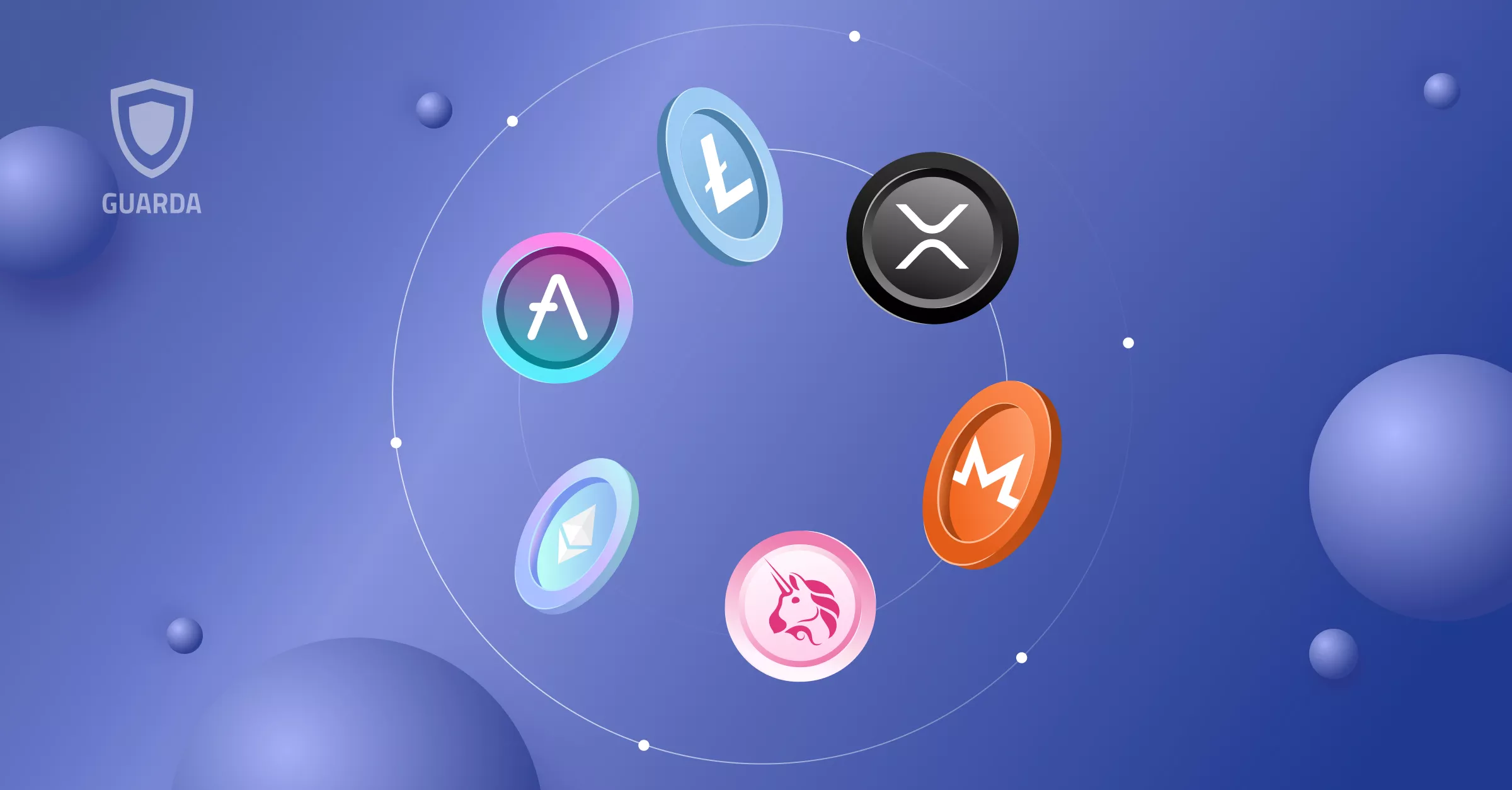
The cryptocurrency market has grown far beyond Bitcoin and Ethereum. By 2025–2026, thousands of altcoins—alternative cryptocurrencies—are competing for attention, adoption, and investment. For investors, the challenge is clear: not all altcoins are created equal. Some projects promise revolutionary technology and adoption, while others are short-lived or even outright scams.
Knowing how to choose the right altcoin is essential to making informed investment decisions, minimizing risk, and identifying opportunities in the evolving digital economy.
1. Evaluate the Altcoin’s Use Case
The first step is understanding what problem the altcoin solves. Coins with tangible utility are more likely to survive long term. Consider:
- Payment and transaction coins: Designed for fast, low-fee transfers. Example: Litecoin.
- Smart contract platforms: Enable decentralized apps and DeFi ecosystems. Example: Solana, Avalanche.
- NFT and gaming tokens: Used in play-to-earn games and NFT marketplaces. Example: Axie Infinity (AXS), Immutable X.
- Privacy coins: Focused on confidential transactions. Example: Monero, Zcash.
- Stablecoins and algorithmic tokens: Pegged to assets or currencies for stability.
Ask: Is there a real-world problem this coin solves? Is adoption growing in its target market?
2. Research the Team and Development Activity
An altcoin is only as strong as its team and development community. Investigate:
- Founders and developers: Experienced teams with transparent backgrounds add credibility.
- Active development: Check GitHub or other repositories for ongoing updates.
- Community engagement: Strong online communities indicate support and long-term potential.
- Partnerships: Collaborations with businesses, exchanges, or other projects can validate legitimacy.
Red flags include anonymous teams, stagnant development, or low community engagement.
3. Analyze Tokenomics
Understanding the coin’s economic model is critical:
- Total supply and circulation: Scarcity can influence price, but extremely limited or unlimited supply can be risky.
- Inflation vs. deflation mechanisms: Some coins have burning mechanisms, staking rewards, or mining inflation.
- Distribution model: Fair launches with broad distribution reduce risks of pump-and-dump schemes.
- Utility of the token: Can the token be staked, used in governance, or access a service?
Proper tokenomics create incentives for adoption, growth, and price stability.
4. Examine Market Liquidity and Exchange Availability
Liquidity determines how easily you can buy or sell an altcoin. Consider:
- Volume: High daily trading volume reduces price slippage.
- Exchange listings: Widely listed coins are easier to trade and access.
- Cross-chain compatibility: Projects interoperable with multiple blockchains often have higher adoption potential.
Low liquidity can make it hard to enter or exit positions, increasing risk.
5. Assess Long-Term Viability
Evaluate the altcoin’s sustainability:
- Roadmap and updates: Clear development milestones show long-term vision.
- Adoption metrics: Wallet usage, transaction counts, and partnerships indicate real-world traction.
- Regulatory compliance: Coins adhering to regulations are less likely to face legal shutdowns.
- Competition: Consider how it compares to similar coins in features, adoption, and scalability.
An altcoin that solves a meaningful problem with a committed team is more likely to thrive beyond short-term hype.
6. Beware of Hype and Scams
The altcoin market is notorious for speculative hype and fraudulent projects. Watch out for:
- Unverified or anonymous teams
- Unrealistic marketing claims
- Sudden price spikes with no clear reason
- Tokens promising guaranteed returns
Use caution and conduct thorough due diligence before investing.
7. Use Tools and Resources
Several tools help analyze altcoins in 2025–2026:
- CoinMarketCap / CoinGecko: Track market data, volume, and historical charts.
- Messari & CryptoSlate: Research project fundamentals and news.
- Glassnode & Nansen: On-chain analytics for activity, wallets, and adoption.
- Crypto forums and social media: Reddit, Twitter/X, and Telegram can offer insights—but verify sources carefully.
Combining multiple sources ensures you make informed decisions rather than following hype.
Conclusion
Choosing the right altcoin is about balancing utility, team credibility, tokenomics, liquidity, and long-term adoption. In 2025–2026, altcoins with real-world use cases, strong ecosystems, cross-chain capabilities, and active communities are positioned for growth, while speculative tokens without substance carry high risk.
By following these steps—researching the project, analyzing its fundamentals, and monitoring adoption trends—you can make informed decisions and confidently navigate the altcoin market.
Remember: careful research and critical thinking are your best tools for selecting altcoins that may provide long-term value in the ever-evolving cryptocurrency landscape.