Key Takeaways
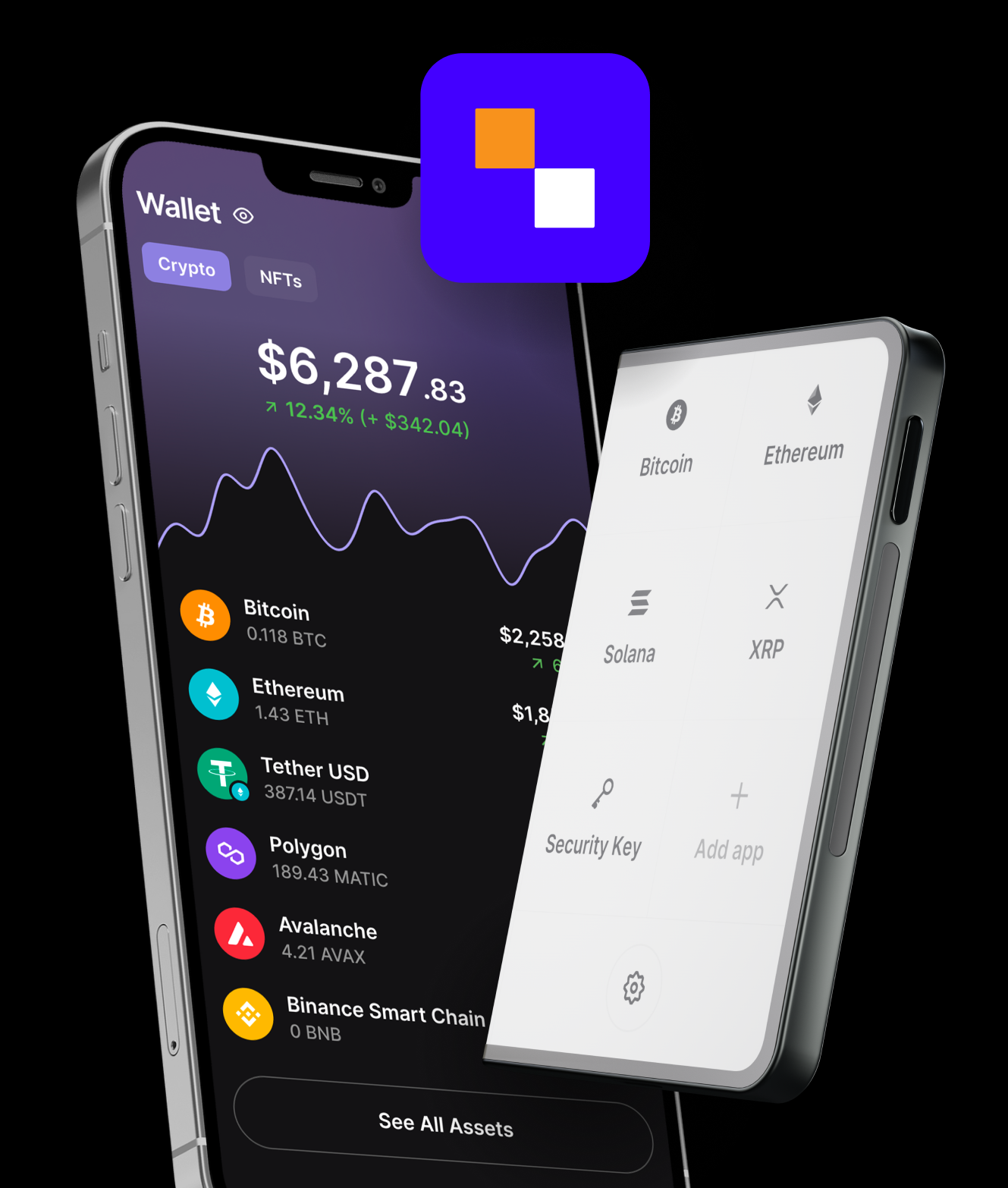
- A crypto wallet is a tool—software or hardware—that allows you to store, send, and receive digital assets like Bitcoin, Ethereum, and NFTs.
- Wallets do not store your crypto physically; they store your private keys, which prove ownership of your on-chain assets.
- There are two main types of wallets: custodial (exchange-managed) and non-custodial (you control the keys).
What Is a Crypto Wallet?
A crypto wallet is one of the most essential tools for anyone entering the world of digital assets. Whether you’re buying Bitcoin, minting NFTs, or exploring decentralized apps (dApps), you need a wallet to interact with blockchain networks. But despite the name, a crypto wallet doesn’t actually store your coins—it stores the keys that grant you access to them on the blockchain.
Understanding what a crypto wallet is and how it works is crucial for staying safe and making smart decisions in the crypto world.
How a Crypto Wallet Works
A crypto wallet manages two important cryptographic elements:
1. Public Key / Wallet Address
This is like your bank account number. You can safely share it with others so they can send you crypto.
2. Private Key / Seed Phrase
This is like the password to your bank account.
Whoever has the private key controls the crypto.
You must never share it with anyone.
Your actual crypto always stays on the blockchain.
Your wallet simply gives you access to it by storing your private keys securely.
Types of Crypto Wallets
1. Custodial Wallets
A custodial wallet is controlled by a third party—usually a crypto exchange like Binance, Coinbase, or KuCoin.
Pros:
- Easy to use
- No need to manage a seed phrase
- Great for beginners and traders
Cons:
- You don’t control the private keys
- Exchange hacks or withdrawal freezes can lead to loss of access
- Not ideal for long-term storage
Best for: New users, active traders.
2. Non-Custodial Wallets
A non-custodial wallet gives you full ownership and control of your private keys.
Examples: MetaMask, Trust Wallet, Phantom, Ledger, Trezor
Pros:
- Full control of your assets
- Better security
- Required for DeFi, NFTs, and Web3 apps
Cons:
- You must safeguard your own seed phrase
- If you lose the seed phrase, you lose access permanently
- Slightly more complex to use
Best for: Investors, DeFi users, NFT collectors, long-term holders.
Wallet Categories: Hot vs. Cold
Beyond custodial vs non-custodial, wallets are also categorized as hot or cold.
Hot Wallets (Online)
Connected to the internet.
Examples: MetaMask, Trust Wallet, Coinbase Wallet.
Pros:
- Fast and convenient
- Works with dApps, staking, and DeFi
- Easy setup
Cons:
- More vulnerable to hacks
- Not ideal for large amounts
Cold Wallets (Offline)
These keep your private keys offline.
Examples: Ledger, Trezor.
Pros:
- Highest level of security
- Ideal for long-term storage
Cons:
- Requires buying hardware
- Not convenient for everyday transactions
Why Crypto Wallets Matter
Crypto wallets are essential because they allow you to:
- Store digital assets securely
- Send and receive crypto
- Connect to dApps, DeFi protocols, and NFT marketplaces
- Keep control of your money without relying on banks
- Explore Web3 games, staking, yield farming, and more
Whether you’re a beginner or an advanced user, your wallet is your gateway to the blockchain ecosystem.
How to Choose the Right Crypto Wallet
Your choice depends on your goals:
For beginners:
Use an easy custodial or simple non-custodial wallet like Trust Wallet.
For DeFi and NFTs:
MetaMask or Phantom (for Solana).
For long-term holding:
Use a hardware wallet like Ledger.
For multi-chain users:
Rabby Wallet or OKX Wallet.
Conclusion
A crypto wallet is much more than a digital storage tool—it is your personal access key to the blockchain world. Understanding how wallets work and choosing the right one ensures you stay safe, in control, and ready to explore everything crypto has to offer in 2025 and beyond.