Key Takeaways
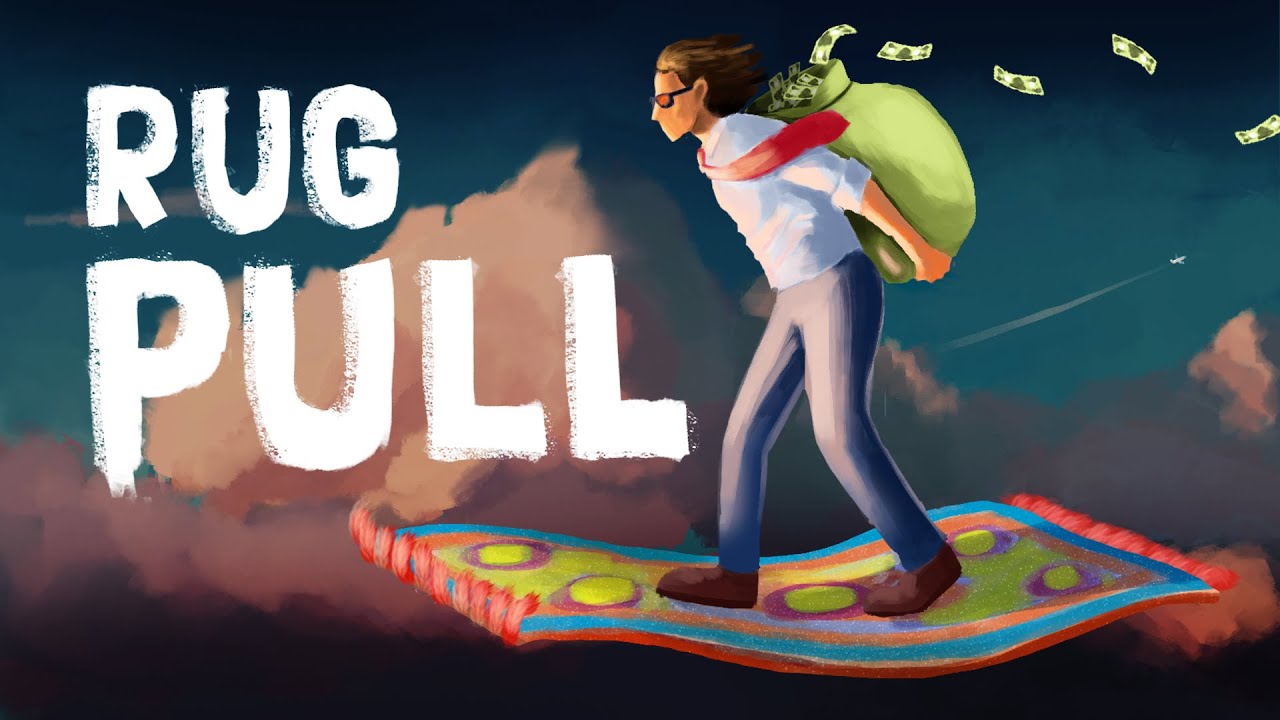
- A rug pull is a crypto scam where developers abandon a project and run off with investors’ funds.
- Rug pulls often occur in DeFi, NFTs, and new token launches with little transparency.
- Red flags include anonymous teams, unaudited smart contracts, unrealistic yields, and low liquidity.
- Investors can reduce risk through due diligence, contract audits, and avoiding hype-driven tokens.
- Rug pulls remain one of the biggest threats to new crypto investors in 2025 and 2026.
What Is a Rug Pull? (Beginner-Friendly Guide for 2025–2026)
A rug pull is one of the most common and damaging scams in the cryptocurrency space. It happens when a project’s creators suddenly abandon their token, liquidity pool, or NFT collection—while taking investors’ money with them. For many beginners, rug pulls are their first painful lesson in why transparency and due diligence matter in Web3.
As the crypto markets expand into 2025 and 2026—with new tokens, decentralized finance (DeFi) protocols, meme coins, and NFT drops launching daily—the risk of rug pulls is higher than ever. Understanding how these scams work is essential for protecting your investments.
How a Rug Pull Works
A rug pull typically follows a predictable pattern:
- Developers launch a token or project—often with hype, aggressive marketing, and big promises.
- Investors buy in, raising the token price or adding liquidity to a pool.
- Once enough money has flowed into the project, the creators withdraw the liquidity, sell their tokens, or shut down the platform.
- The token price collapses to near zero, leaving investors with worthless assets.
Because blockchain transactions are irreversible, victims rarely recover funds.
Where Rug Pulls Happen Most Often
1. DeFi Liquidity Pools
In DeFi, developers sometimes create a token and pair it with ETH, USDT, or another major coin. When investors buy the token, liquidity grows. Then the founders remove all liquidity and disappear.
This is the classic DEX rug pull.
2. Meme Coins & Hype Tokens
Rug pulls are common in:
- New meme coins
- Tokens launched with aggressive social media marketing
- Projects with no roadmap or real utility
Hype-driven markets make it easy for scammers to attract quick liquidity.
3. NFT Collections
NFT rug pulls involve creators:
- Abandoning promised utilities
- Deleting websites
- Vanishing from social media
- Failing to deliver artwork or metaverse features
Buyers are left with tokens that have no value or community support.
Common Red Flags to Watch Out For
Anonymous or Unverified Teams
Not all anonymous founders are scammers—but many rug pulls involve teams that cannot be traced.
No Smart Contract Audit
Unaudited code can contain hidden functions allowing developers to:
- Mint unlimited tokens
- Disable selling
- Drain liquidity
Sky-High Yields or Promises
“100,000% APY” is never sustainable and often signals a Ponzi-like structure.
Low Liquidity & Limited Exchange Listings
Low liquidity means developers can crash the price instantly by selling.
Heavy Marketing but No Product
Rug pull projects often invest more in hype than in real development.
Why Rug Pulls Still Happen in 2025
Several factors continue to fuel rug pulls:
- Open-source smart contracts make launching a token easy.
- High investor FOMO and fast market cycles.
- Decentralized platforms allow anyone to list assets without approval.
- Lack of regulation in many jurisdictions.
As long as the crypto ecosystem remains permissionless, rug pulls will remain a top risk.
How to Protect Yourself
1. Research the Team
Look for:
- Linked social profiles
- Public track records
- Verified identities
Established developers rarely abandon projects.
2. Check Contract Audits
Platforms like CertiK, Hacken, or OpenZeppelin help verify smart contract safety.
3. Inspect Liquidity Locks
Tools like Unicrypt or Team Finance show whether liquidity is locked for months or years.
Unlocked liquidity = high rug pull risk.
4. Avoid Hype-Driven Launches
If a project relies solely on:
- Twitter influencers
- Telegram raids
- Paid promotions
…it’s likely unstable.
5. Prefer Reputable Platforms
Launchpads, centralized exchanges, and audited DEX listings lower the risk.
The Bottom Line
A rug pull is one of the most destructive scams in the crypto world, wiping out millions of dollars overnight and damaging trust in emerging projects. As markets grow between 2025 and 2026, rug pulls will remain a major threat—especially for new investors chasing the next big opportunity.
By learning the red flags, doing proper research, and avoiding hype-driven tokens, investors can significantly reduce their exposure to rug pull scams. In crypto, knowledge is the strongest form of protection.