Key Takeaways
- Rug pulls follow predictable patterns, including anonymous teams, no audits, and suspicious liquidity setups.
- Tokenomics and on-chain data reveal most scams early, especially high taxes, unlocked liquidity, or developer-controlled supply.
- Doing basic due diligence in 2025–2026—checking audits, liquidity, team history, and real utility—prevents almost all rug pull losses.
How to Identify a Rug Pull (2025–2026 Guide)
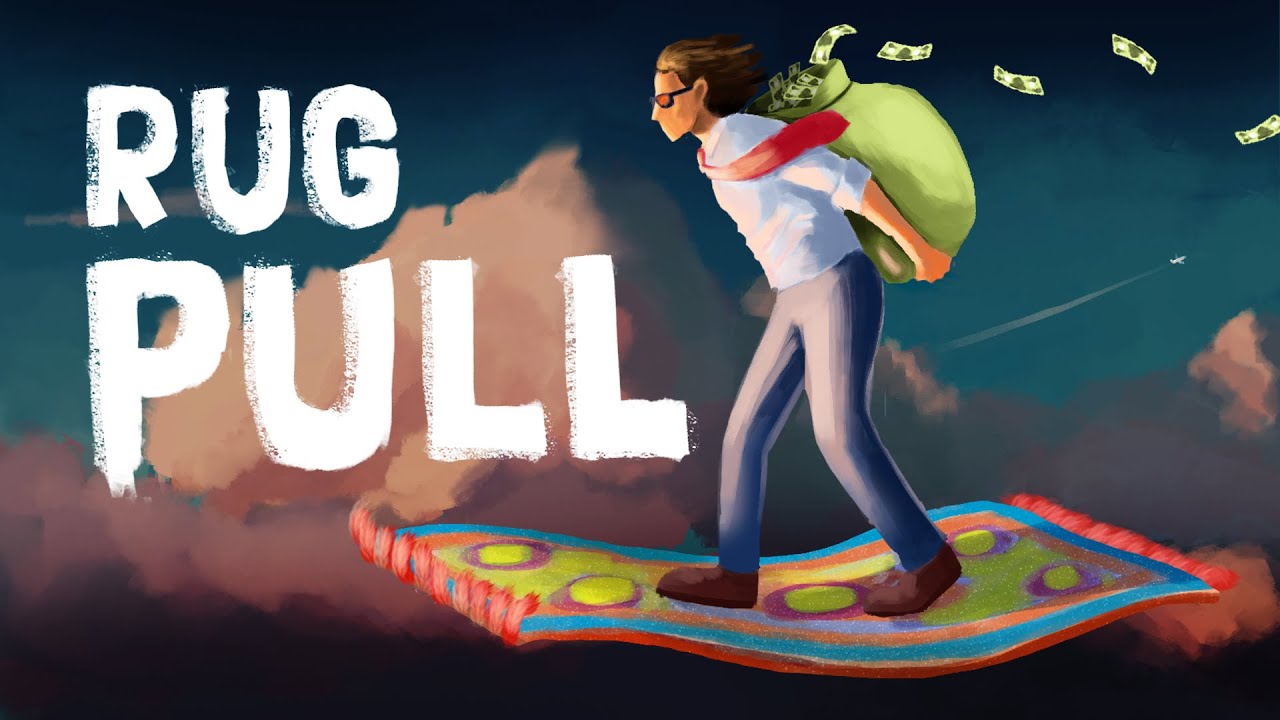
Rug pulls remain one of the most common and costly scams in crypto, even as the industry matures in 2025 and 2026. New investors continue pouring into memecoins, DeFi tokens, NFT projects, and gaming ecosystems—creating perfect conditions for bad actors to launch flashy but fraudulent ventures.
Understanding how rug pulls work, and how to spot them early, is essential to surviving in the fast-moving world of Web3. This guide breaks down how these scams unfold and the practical steps to avoid them before your funds disappear.
Why Rug Pulls Still Happen in 2025–2026
Despite tighter regulations and improved on-chain analytics, rug pulls remain attractive to scammers for one reason: they work. Modern tokens can be launched in minutes, social hype spreads instantly, and anonymous teams can vanish with millions by exploiting inexperienced traders.
While blockchain transparency makes every transaction traceable, most investors simply don’t dig deep enough. This is where understanding common patterns—and checking them quickly—makes the difference between a smart investment and becoming another cautionary tale.
1. Anonymous or Unverifiable Team Members
Legitimate crypto projects rarely hide who they are in 2025–2026. Most founders now undergo public KYC verification, use LinkedIn profiles, or participate in AMAs to build trust.
A rug pull often starts with:
- No visible founders
- AI-generated or stock-photo profile pictures
- New social accounts with little history
- No verifiable developer track record
If you can’t confirm the identity of the people building the project, that’s your first major red flag.
2. Suspicious or Locked Liquidity
Liquidity is the lifeline of any token. Rug pulls commonly manipulate it to trap investors.
Watch out for:
Low or unlocked liquidity
If the liquidity pool (LP) can be withdrawn at any time, the creators can drain it and leave the token worthless.
Fake “locked liquidity” claims
Some scams use forged screenshots or unverifiable lock contracts.
Sudden liquidity spikes
This often indicates wash trading or artificial price manipulation.
In 2025–2026, serious projects use third-party auditors and transparent lock contracts—if a project doesn’t, assume the worst.
3. No Audit or a Questionable Audit Report
Smart contract audits remain one of the strongest indicators of safety. Rug pulls usually skip audits entirely or fabricate them.
Be cautious if:
- There’s no audit link
- The audit is from an unknown or inactive auditing firm
- The report shows high-risk vulnerabilities that the team hasn’t addressed
By 2026, credible audits are industry standard. A missing or suspicious audit is one of the biggest warning signs.
4. Tokenomics Designed to Trap Investors
Many rug pulls hide dangerous mechanics inside their tokenomics.
Common traps include:
High buy/sell taxes
Anything above 10–15% is often used to extract value from users.
Developer wallets holding massive token supplies
If dev wallets hold 20–50% of the supply, they can dump at any time.
Mint functions that allow unlimited token creation
This can destroy the price instantly.
No clear utility
If a token is only marketed with hype, memes, and unrealistic promises, it’s likely designed for a short-term pump.
Always read the smart contract or rely on tools like Etherscan, Token Sniffer, or GoPlus for automated scans.
5. Over-Hyped Marketing With No Real Product
Rug pulls heavily rely on hype because they don’t plan to deliver a real project.
Red flags include:
- Aggressive influencer campaigns
- Paid promotions from low-quality accounts
- Unrealistic timelines like “game launching in 30 days”
- Overuse of buzzwords like AI, DePIN, ZK, or “the next Solana”
- No working demo, roadmap updates, or GitHub commits
If marketing outpaces development, proceed with caution.
6. Sudden Changes in Social Media Behavior
Social signals are powerful indicators of a project’s health.
Be wary of:
- Deleting old posts
- Moderators banning users for asking questions
- Bots flooding Telegram or X (Twitter) with repetitive hype
- Team going silent after raising funds
Healthy projects remain transparent, especially during setbacks. Silence is often the first sign that a rug pull is imminent.
7. Price Patterns That Don’t Make Sense
Blockchain data tells the truth. Price charts for rug pulls often show:
- Instant, unnatural pumps
- Repeated sharp spikes from the same wallets
- No organic trading volume
- Massive sell-offs right after launch
- Whale wallets selling large portions together
If the chart looks too perfect or too manipulated, trust your instincts—something is off.
How to Protect Yourself From Rug Pulls in 2025–2026
Avoiding rug pulls is about discipline and research—not luck. Before investing in any new token:
- Verify the team
- Check liquidity locks
- Confirm the smart contract audit
- Review tokenomics for hidden traps
- Study real on-chain data
- Test the community’s transparency
- Never invest more than you can afford to lose
In 2026, crypto still rewards early risk-takers, but safety must come first.
Conclusion: Rug Pulls Are Preventable With Better Due Diligence
Rug pulls thrive on FOMO, hype, and poor research. But they’re far easier to spot today than they were in the early years of crypto. By checking the fundamentals—team identity, liquidity, audits, tokenomics, marketing patterns, and on-chain data—you can avoid nearly all common scams.
In a market where new tokens launch every hour, knowing how to identify a rug pull is one of the most valuable skills any investor can develop in 2025 and 2026.