Key Takeaways
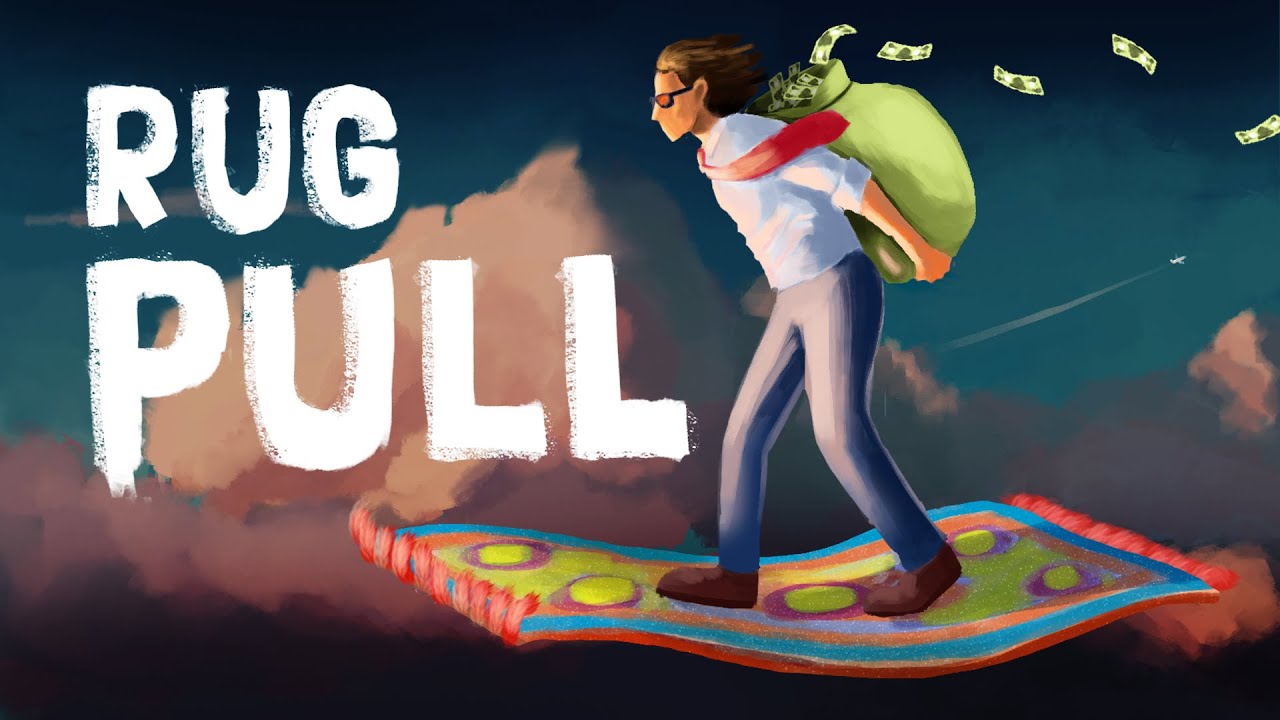
- A rug pull is a type of crypto scam where developers abandon a project and steal investors’ funds.
- They are common in DeFi, NFT projects, and newly launched tokens, especially with low liquidity.
- Awareness, due diligence, and secure trading practices are essential to avoid losses in 2025–2026.
What Is a Rug Pull?
In the fast-paced world of cryptocurrency, rug pulls have emerged as one of the most notorious risks for investors. The term refers to a scam where project developers suddenly withdraw all funds, leaving investors with worthless tokens. As digital assets continue expanding in 2025 and 2026, understanding rug pulls has become critical for anyone participating in DeFi, NFTs, or newly launched tokens.
Rug pulls exploit trust in decentralized systems, taking advantage of hype, low liquidity, or lax due diligence. While blockchain promises transparency and security, these scams highlight the importance of careful research and risk management.
How Rug Pulls Work
Rug pulls typically occur in decentralized projects where developers retain significant control over token liquidity or smart contracts. Common scenarios include:
- Liquidity Drain – Developers remove liquidity from a token pair on a DEX, making it impossible for investors to sell their holdings.
- Token Minting – Additional tokens are secretly minted, diluting value and crashing prices.
- Project Abandonment – Developers vanish with funds from initial coin offerings (ICOs), initial DEX offerings (IDOs), or NFT sales.
Rug pulls rely on speed and trust exploitation. Investors often buy into projects without verifying developer credentials, tokenomics, or smart contract security.
Where Rug Pulls Are Common in 2025–2026
- DeFi Protocols – New yield farms, staking pools, or lending platforms can be manipulated if developers hold excessive control.
- NFT Launches – Fake or poorly designed NFT projects may sell assets and disappear immediately after collecting funds.
- Low-Cap Tokens – Small, hyped coins with limited liquidity allow developers to manipulate markets more easily.
Even seasoned investors are vulnerable when hype and fear of missing out (FOMO) override cautious decision-making.
Warning Signs of a Rug Pull
Investors can reduce risk by spotting red flags:
- Anonymous or unverifiable developers
- Unclear or copied whitepapers
- Excessive token control by a small group
- High-yield promises that seem too good to be true
- Liquidity locked for only a short period
Checking these factors before investing can significantly reduce the risk of losing funds to a rug pull.
How to Protect Yourself
- Do Your Research – Verify the project team, community presence, and smart contract audits.
- Check Liquidity Locks – Ensure tokens and funds are locked in a way that prevents developers from withdrawing suddenly.
- Avoid FOMO – Take time to analyze projects rather than rushing into high-hype launches.
- Use Trusted Platforms – Stick to reputable exchanges and DeFi protocols with transparent governance.
- Diversify Investments – Never commit all funds to a single project, especially new or unverified tokens.
As blockchain ecosystems evolve in 2025–2026, investor education and vigilance remain the best defenses against rug pulls.
Conclusion
A rug pull is one of the most common and damaging types of crypto scams in the digital asset ecosystem. While blockchain and decentralized finance provide unprecedented opportunities, they also expose investors to high-risk situations where trust can be exploited. Understanding how rug pulls operate, recognizing red flags, and applying safe investment practices are essential steps for anyone navigating the DeFi, NFT, or altcoin markets in 2025–2026.
By staying informed and cautious, investors can participate safely in blockchain innovation while avoiding sudden, irreversible losses.