Key Takeaways
- Rug pulls now appear more sophisticated, making early detection essential in 2025–2026.
- Liquidity, transparency, and developer behavior remain key indicators of safety.
- Independent verification is the strongest defense against emerging scam tactics.
How to Identify a Rug Pull: A Clear 2025–2026 Investor Guide
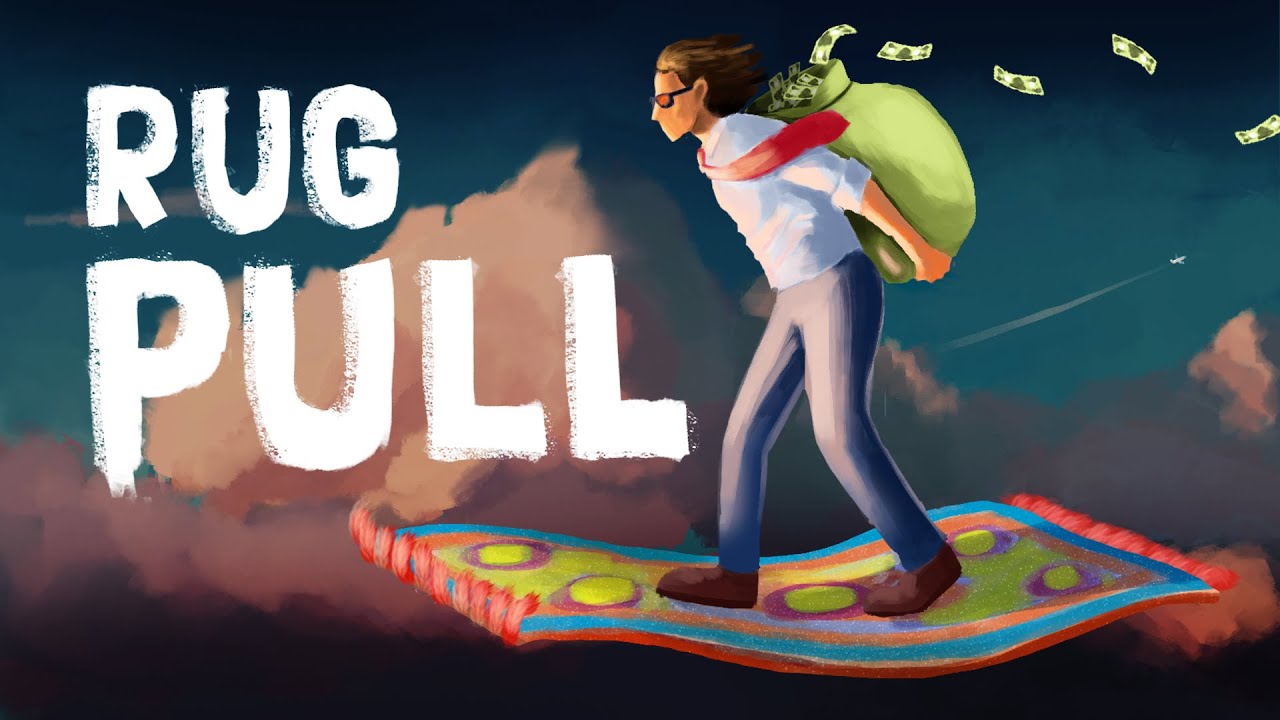
Crypto markets evolve quickly, but one threat remains as persistent as ever: rug pulls. Between 2025 and 2026, scam projects have become more polished, more convincing, and more aggressive in their marketing tactics. While investor protections and blockchain tools have improved, scammers have improved too—making it critical for traders to understand exactly how to identify a rug pull before it collapses.
This guide takes a journalistic, fact-driven look at the most reliable warning signs and modern scam strategies, helping new and experienced investors protect themselves in an increasingly complex landscape.
Start by Analyzing the Team: Transparency or Disguise?
One of the strongest predictors of a rug pull is the nature of the team behind the token. In 2025–2026, scammers rarely hide behind obvious anonymity—they often present themselves with polished profiles, AI-generated headshots, or fake LinkedIn accounts.
To verify the legitimacy of a project team:
Check cross-platform consistency.
Real founders have footprints across X (Twitter), GitHub, Discord, and industry events. Fake founders typically do not.
Look for verifiable history.
Has the team worked on previous projects? Can you trace their active contribution across time?
Be cautious of sudden influencers.
Many rug pulls now use paid creators who disappear immediately after launch.
While anonymity alone no longer signals danger—many legitimate developers remain pseudonymous—the combination of anonymity and lack of traceable work is a serious red flag.
Study the Tokenomics: Unsustainable Structures Signal Trouble
Rug pulls often hide in the details of token supply and distribution. By 2025, sophisticated scams started using more complex supply models to appear legitimate while keeping insiders in control.
Key tokenomics red flags include:
- Huge insider allocations disguised as “marketing” or “development” funds
- No vesting schedules, allowing founders to dump tokens instantly
- Unusually high taxes on buys or sells, enabling hidden developer profit
- No real utility—just hype, memes, and promises
If a project cannot clearly explain how tokens are distributed and how value will be created beyond speculation, caution is warranted. The more opaque the tokenomics, the higher the rug-pull risk.
Check Liquidity: The Most Common Rug-Pull Trigger
Liquidity is where rug pulls typically happen. A project can appear exciting for weeks, but the real test is how liquidity is handled.
To identify liquidity risks:
Look at liquidity lock status.
Legitimate projects lock liquidity for fixed periods—six months, one year, or longer. Unlocked liquidity means developers can drain the pool at any moment.
Monitor the percentage of liquidity provided by the team.
If the team controls most of it, investors are vulnerable.
Review the contract for mint permissions.
If developers can mint unlimited tokens, they can dilute supply and drain liquidity through sales.
Examine trading data.
Suspicious patterns—tiny holders, instant pumps, sudden volume spikes—often signal coordinated manipulation.
By 2026, more advanced rug pulls began using “partial locks” or short-duration locks to appear safe while planning an exit, making thorough verification essential
Evaluate the Smart Contract: Code Never Lies
Even in the meme-coin era, smart contract risks remain one of the clearest pathways to a rug pull.
Investors should watch for:
Hidden functions.
These include “blacklisting buyers,” “pausing trading,” or changing fees after launch.
Owner privileges that never renounce.
If developers maintain full control, they can alter the rules at any moment.
Unlimited minting capabilities.
Scammers can inflate supply instantly and crash the market.
Fortunately, by 2025–2026, automated scanners and audit tools have improved. While not perfect, they help uncover risks before they turn catastrophic. Still, the safest approach remains reviewing both audits and community discussions around the code.
Observe the Community: Healthy Growth or Fabricated Hype?
Rug pulls thrive on artificial hype. Bots, fake engagement, and temporarily paid communities create the illusion of momentum.
Warning signs include:
- Telegram or Discord filled with bots, giveaways, or repetitive messages
- Influencers promoting the token without meaningful analysis
- Overly aggressive marketing focused on “moon” predictions
- No real conversations, only price-related chatter
Authentic communities ask hard questions, debate openly, and remain active even after price dips. Scam communities disappear quickly or avoid transparency altogether.
Watch for Unrealistic Promises: The Oldest Red Flag Still Works
Even in 2026, the simplest rule remains: if it sounds too good to be true, it probably is.
Common rug-pull promises include:
- Guaranteed returns
- “Next 1000x project” claims
- Fake partnerships
- Impossibly short roadmaps
Projects using urgency (“buy now before it’s too late!”) or aggressive countdown timers tend to be engineered for emotional decision-making, not long-term development.
Investigate Project Funding: Where Is the Money Going?
A frequently overlooked indicator of rug-pull risk is how a project handles its finances.
Red flags include:
- Wallets that are not transparent
- Treasury funds held by a single address
- No clear breakdown of development spending
- Sudden unexplained transfers in and out of project wallets
By 2025–2026, professional scammers began using multi-sig wallets to look legitimate, but failing to fully decentralize or reveal signers. Transparent financial tracking remains one of the strongest indicators of credibility.
Compare Roadmap vs. Execution: Are Promises Being Delivered?
Anyone can write a flashy roadmap, but real execution is harder to fake.
A failing project typically shows signs like:
- Repeated delays with no explanation
- Abandoned development channels
- No updates from the team for weeks
- Features announced but never released
Rug pulls often maintain the illusion of progress until the liquidity moment, so long-term silence is usually a sign of incoming trouble.
Conclusion: Smart Analysis Is the Best Defense Against Rug Pulls
Identifying a rug pull in 2025–2026 requires more than checking a few boxes. Modern scams are intricate, well-funded, and often disguised as legitimate innovation. But understanding how developers behave, how liquidity works, how tokenomics are structured, and how genuine communities operate gives investors the upper hand.
The most reliable strategy is caution: verify everything, distrust hype, and always analyze the fundamentals. When you know what to look for, rug pulls become far easier to detect long before they collapse.