Key Takeaways
- Layer 2 scaling solutions increase blockchain speed and reduce fees by processing transactions off the main chain.
- Technologies like rollups, sidechains, and state channels power DeFi, gaming, and mass adoption.
- In 2025–2026, Layer 2 networks play a crucial role in scaling Ethereum, Bitcoin, and emerging blockchains.
Introduction: Solving Blockchain’s Biggest Challenges
High gas fees, slow transaction speeds, and limited scalability have long hindered blockchain adoption. As crypto usage expands across DeFi, NFTs, gaming, enterprise systems, and global payments, blockchains must support millions—not thousands—of users.
Enter Layer 2 scaling, a breakthrough approach that increases blockchain capacity without compromising decentralization or security. In 2025–2026, Layer 2 networks are critical infrastructure powering the next era of Web3 growth.
What Is Layer 2 Scaling?
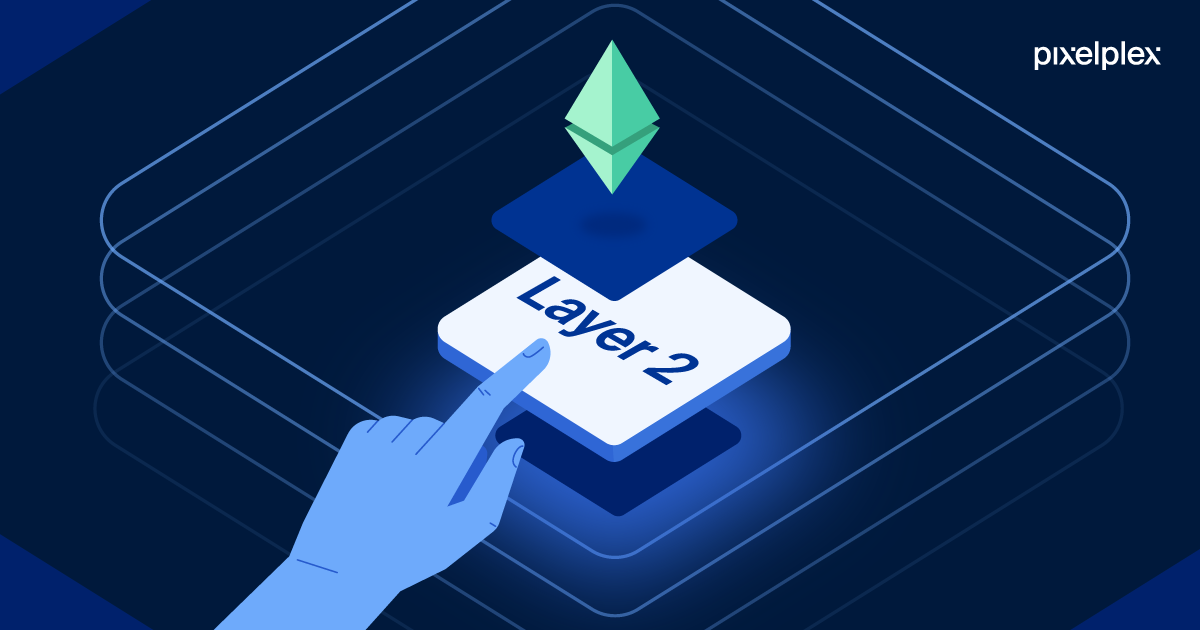
Layer 2 (L2) scaling refers to technologies built on top of a base blockchain (Layer 1)—such as Ethereum or Bitcoin—that process transactions off-chain or partially off-chain.
The Layer 1 chain serves as the security and final settlement layer, while the Layer 2 handles the heavy lifting: executing transactions faster, cheaper, and more efficiently.
In simple terms:
Layer 1 = Security & Base Protocol
Layer 2 = Speed, Low Fees & Scalability
This division allows blockchains to scale without sacrificing decentralization, one of the most important principles of Web3.
Why Layer 2 Exists: The Scalability Trilemma
Blockchains face the “scalability trilemma”:
- Security
- Decentralization
- Scalability
A network can excel at two, but achieving all three simultaneously is extremely difficult.
Layer 2 scaling helps solve this by shifting execution upward while keeping the base chain secure and decentralized. It allows Web3 projects to deliver smooth user experiences while maintaining trustless security guarantees.
How Layer 2 Scaling Works
Layer 2 networks operate independently but regularly communicate with the main blockchain. The most common mechanisms include:
1. Rollups
Rollups bundle thousands of transactions into one and post the compressed data to Layer 1.
Two major types:
- Optimistic Rollups (Optimism, Arbitrum)
- Zero-Knowledge (ZK) Rollups (zkSync, StarkNet, Polygon zkEVM)
Rollups are considered the future of Ethereum scaling.
2. Sidechains
Sidechains, such as Polygon PoS and Ronin, run parallel to Layer 1 with their own validators and security models. They offer high speed and low fees but rely on different trust assumptions.
3. State Channels
State channels allow users to transact off-chain and settle the final result on-chain.
Classic example: Lightning Network for Bitcoin.
4. Plasma and Hybrid Models
Plasma chains create child chains anchored to a main chain. While less common today, hybrid approaches still influence modern designs.
Each L2 type balances decentralization, cost, and performance differently, giving developers flexibility depending on the use case.
Benefits of Layer 2 Scaling
1. Faster Transactions
Layer 2 networks can handle thousands of transactions per second, compared to Ethereum’s 10–30 TPS.
2. Lower Fees
Because execution is off-chain or batched, users pay a fraction of Layer 1 costs—crucial for DeFi and gaming.
3. Massive Scalability
Layer 2 enables mainstream adoption, supporting millions of users and complex applications.
4. Enhanced UX
Smoother, cheaper transactions help blockchain apps compete with traditional Web2 platforms.
5. Security Anchored to Layer 1
Rollups inherit Layer 1 security, making them one of the most trusted scaling solutions.
Real-World Use Cases in 2025–2026
DeFi Expansion
Platforms like Uniswap, Aave, and Synthetix now operate primarily on L2s, offering low-cost swaps, lending, and staking.
High-Volume Gaming
Web3 games deploy on L2 to manage in-game asset transfers, marketplaces, and microtransactions.
NFT Drops & Marketplaces
L2 networks allow creators to mint NFTs affordably, eliminating high gas fees during peak demand.
Enterprise Blockchain Adoption
Businesses use L2 solutions for global settlements, supply chain tracking, identity verification, and data management.
Bitcoin Payments
Lightning Network’s rapid growth makes Bitcoin viable for instant cross-border micropayments.
Challenges and Limitations
Despite rapid adoption, Layer 2 scaling still faces hurdles:
Network Fragmentation
Users must bridge assets across multiple L2s, creating complexity and security risks.
Security Variations
Not all L2s inherit full L1 security—especially sidechains with independent validator sets.
User Experience Gaps
Bridging, gas tokens, and multi-chain wallets can still be confusing for newcomers.
Smart Contract Risks
Complex L2 architectures introduce new vectors for bugs or exploits.
Though improving quickly, these challenges highlight the evolving nature of multi-chain infrastructure heading into 2026.
The Future of Layer 2 Scaling (2025–2026 and Beyond)
Layer 2 is no longer optional—it’s essential. As Ethereum’s rollup-centric roadmap advances and Bitcoin’s Lightning Network matures, L2s are expected to:
- Serve as primary execution environments
- Power enterprise-grade blockchain applications
- Enable hyper-scalable Web3 games and metaverse worlds
- Reduce global transaction costs
- Drive mass adoption for everyday users
In short, Layer 2 scaling forms the backbone of the next decade of blockchain innovation.
Conclusion
Layer 2 scaling is one of the most important developments in blockchain technology. By increasing speed, lowering fees, and unlocking massive scalability—without sacrificing security—Layer 2 solutions make Web3 practical, affordable, and ready for global adoption.
In the 2025–2026 digital landscape, every major blockchain relies on Layer 2 to reach its full potential.