Key Takeaways
- Real-time tracking and multi-chain integration are essential for managing modern crypto portfolios.
- Crypto portfolio trackers help investors monitor performance, risk, and tax compliance.
- Advanced features like AI-driven analytics and mobile alerts make portfolio management efficient and proactive.
Why Tracking Your Crypto Portfolio Matters
The crypto ecosystem has evolved dramatically by 2025. Investors are no longer limited to a handful of coins on a single exchange. Portfolios now span multiple blockchains, decentralized finance (DeFi) platforms, NFTs, staking protocols, and other tokenized assets. With prices fluctuating around the clock and regulations tightening globally, tracking your holdings accurately has become crucial—not just for portfolio growth, but also for tax compliance and strategic decision-making.
A robust tracking system allows you to:
- Monitor performance in real time across all assets.
- Measure risk exposure across coins, NFTs, and DeFi positions.
- Stay compliant with evolving tax regulations by maintaining accurate transaction history.
- Optimize strategy using AI-powered insights and analytics.
Step 1: Choose the Right Portfolio Tracker
Not all crypto portfolio trackers are created equal. The best trackers for 2025–2026 feature:
- Multi-chain and multi-wallet support: Track Ethereum, Solana, Bitcoin, Avalanche, and other chains from one dashboard.
- Exchange integration: Automatically import transactions from centralized and decentralized exchanges.
- Real-time price data: Ensure valuations reflect live market conditions.
- Security features: Two-factor authentication (2FA), encrypted keys, and privacy-focused design.
Popular options include Koinly, CoinTracker, Accointing, and Delta, each offering unique strengths in analytics, tax reporting, or multi-platform integration.
Step 2: Sync Your Wallets and Exchanges
Once you’ve chosen a tracker:
- Connect centralized exchanges via API keys for automatic transaction syncing.
- Connect blockchain wallets (hardware wallets or software wallets) by entering addresses or using secure integration methods.
- Add DeFi platforms manually or via supported integrations to capture lending, staking, and liquidity pool activity.
Automation is key. In 2025, most trackers can automatically detect transactions, airdrops, and token swaps, reducing errors and saving time.
Step 3: Categorize and Label Assets
To understand your portfolio clearly, assign labels:
- By type: Spot holdings, DeFi deposits, NFTs, staking rewards.
- By strategy: Long-term HODL, short-term trades, yield farming.
- By risk: High volatility, blue-chip crypto, stablecoins.
Categorization improves reporting, enables better decision-making, and simplifies tax calculations.
Step 4: Use Analytics to Monitor Performance
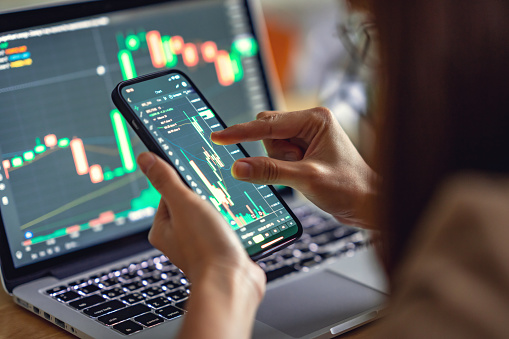
Modern trackers provide analytics dashboards with:
- Net worth tracking: Total portfolio value across assets and chains.
- Profit & loss summaries: Gains and losses per asset or strategy.
- Allocation insights: Visual breakdown of investments by sector, coin, or risk profile.
- Trend tracking: Historical performance charts and projections for strategic planning.
Advanced platforms leverage AI-driven insights to suggest rebalancing opportunities, identify underperforming assets, and alert users to market anomalies.
Step 5: Stay Updated With Alerts
With volatile markets, alerts are essential:
- Price alerts: Notify you of significant market moves.
- Transaction alerts: Confirm deposits, withdrawals, or staking events.
- Tax and compliance reminders: Ensure reporting deadlines are not missed.
Most portfolio apps provide mobile notifications and email updates, so you never miss critical information.
Step 6: Maintain Security and Privacy
While tracking your portfolio, security is paramount:
- Use read-only API keys for exchange connections to prevent unauthorized trades.
- Enable multi-factor authentication on all accounts.
- Regularly review permissions for wallet and platform integrations.
In 2025, privacy-conscious trackers also support offline CSV imports, encrypted local storage, and anonymized analytics to protect user data.
Conclusion: Tracking Is More Than Just Numbers
Tracking your crypto portfolio in 2025–2026 is about more than following prices. It’s about gaining insights, managing risk, staying compliant, and making informed investment decisions across multiple chains and asset types. By leveraging the right tools, automating transactions, analyzing performance, and staying secure, investors can confidently navigate the increasingly complex world of digital assets.
A well-maintained portfolio tracker is no longer optional—it is an essential pillar of successful crypto investing in a rapidly evolving market.