Key Takeaways
- A crypto exchange is a platform to buy, sell, and trade digital assets like Bitcoin and altcoins.
- Centralized and decentralized exchanges offer different benefits, risks, and security models.
- Choosing a reliable, regulated exchange is crucial for safe trading in 2025–2026.
What Is a Crypto Exchange? Understanding Digital Asset Trading in 2025–2026
In the world of digital finance, a crypto exchange is one of the most fundamental tools for accessing cryptocurrencies, tokens, and blockchain-based assets. By 2025–2026, crypto exchanges have evolved beyond simple marketplaces, integrating advanced trading features, regulatory compliance, and interoperability across multiple blockchains.
Understanding what a crypto exchange is, how it works, and the risks involved is essential for both beginner and experienced investors.
Defining a Crypto Exchange
A crypto exchange is a platform that enables users to buy, sell, or trade cryptocurrencies. It acts as an intermediary between buyers and sellers, facilitating transactions with varying levels of speed, security, and liquidity. Exchanges may support a wide range of assets, including:
- Major cryptocurrencies like Bitcoin (BTC) and Ethereum (ETH)
- Altcoins and Layer 2 tokens
- Stablecoins pegged to fiat currencies
- Tokenized real-world assets and NFTs
Crypto exchanges operate globally, offering services for retail traders, institutional investors, and developers building blockchain applications.
Types of Crypto Exchanges
1. Centralized Exchanges (CEX)
Centralized exchanges act as intermediaries and custody providers. They manage user funds, execute trades, and ensure liquidity.
Examples: Binance, Coinbase, Kraken, FTX (historically).
Pros:
- High liquidity and trading volume
- Advanced trading tools (margin, futures, options)
- Customer support and regulatory compliance
Cons:
- Custodial risk: if the exchange is hacked, user funds may be at risk
- Centralized control may limit privacy
2. Decentralized Exchanges (DEX)
Decentralized exchanges operate without a central authority. Trades occur directly between users through smart contracts.
Examples: Uniswap, PancakeSwap, SushiSwap
Pros:
- Non-custodial: users retain control of funds
- Open access without KYC in many cases
- Resistant to censorship
Cons:
- Lower liquidity on smaller tokens
- Higher risk of smart contract bugs
- Less customer support
How Crypto Exchanges Work
Crypto exchanges match buyers and sellers or provide liquidity pools to facilitate trades. The process typically involves:
- Account Creation: On centralized platforms, users create an account and may complete KYC verification.
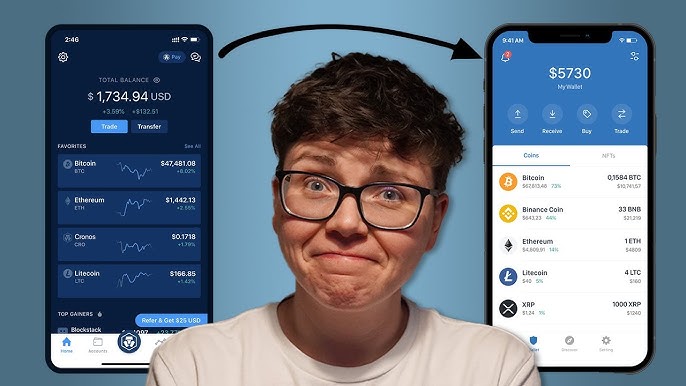
- Depositing Funds: Users fund accounts with fiat currency or cryptocurrencies.
- Trading or Swapping: Buy, sell, or swap crypto at market or limit prices.
- Withdrawal: Move funds to personal wallets or other platforms.
In 2025–2026, exchanges increasingly support cross-chain swaps, multi-asset wallets, staking, and DeFi integrations, allowing users to do more than simple trading.
Key Features in 2025–2026
- Layer 2 Integration: Faster, cheaper transactions for Ethereum-based assets.
- AI-Powered Analytics: Tools for portfolio optimization and risk management.
- Tokenized Assets: Access to real-world asset trading on blockchain platforms.
- Enhanced Security: Multi-sig wallets, hardware wallet support, and insurance funds.
- Regulatory Compliance: KYC, AML, and reporting tools for global standards.
These features make modern exchanges more secure, accessible, and versatile than ever before.
Risks Associated With Crypto Exchanges
Even reputable exchanges carry risks:
- Hacks and Security Breaches: Centralized exchanges can be targeted by cybercriminals.
- Liquidity and Slippage: Low-volume markets may lead to unfavorable trade execution.
- Regulatory Risks: Changing laws may restrict access to certain platforms or assets.
- Smart Contract Bugs: DEX users face risks of contract vulnerabilities or exploits.
Investors should balance convenience with safety by researching exchanges and using secure wallets.
Choosing the Right Exchange
Key factors to consider when selecting a crypto exchange:
- Security: Multi-sig wallets, cold storage, and insurance coverage.
- Regulation: Licensed or compliant exchanges reduce legal risk.
- Fees: Trading fees, withdrawal fees, and spreads affect profitability.
- Asset Selection: Support for desired cryptocurrencies and tokens.
- Liquidity: Higher liquidity ensures smoother trading with minimal slippage.
- User Experience: Intuitive interfaces and customer support improve usability.
A well-chosen exchange balances these factors while matching your investment goals.
Conclusion: Crypto Exchanges Are Gateways to Digital Finance
A crypto exchange is more than a marketplace; it is the gateway to the decentralized financial ecosystem. In 2025–2026, exchanges have become sophisticated platforms offering trading, staking, tokenization, and cross-chain access.
By understanding the differences between centralized and decentralized exchanges, evaluating security and regulatory compliance, and practicing safe trading habits, investors can confidently navigate the digital asset world while minimizing risks.
Choosing the right exchange is foundational to participating safely and effectively in the evolving crypto economy.