Key Takeaways
- Rug pulls are scams where developers abandon a project and take investors’ funds.
- Red flags include anonymous teams, unrealistic promises, and centralized token control.
- Research, on-chain analysis, and community scrutiny help avoid falling victim.
How to Identify a Rug Pull in 2025–2026: Spot Crypto Scams Early
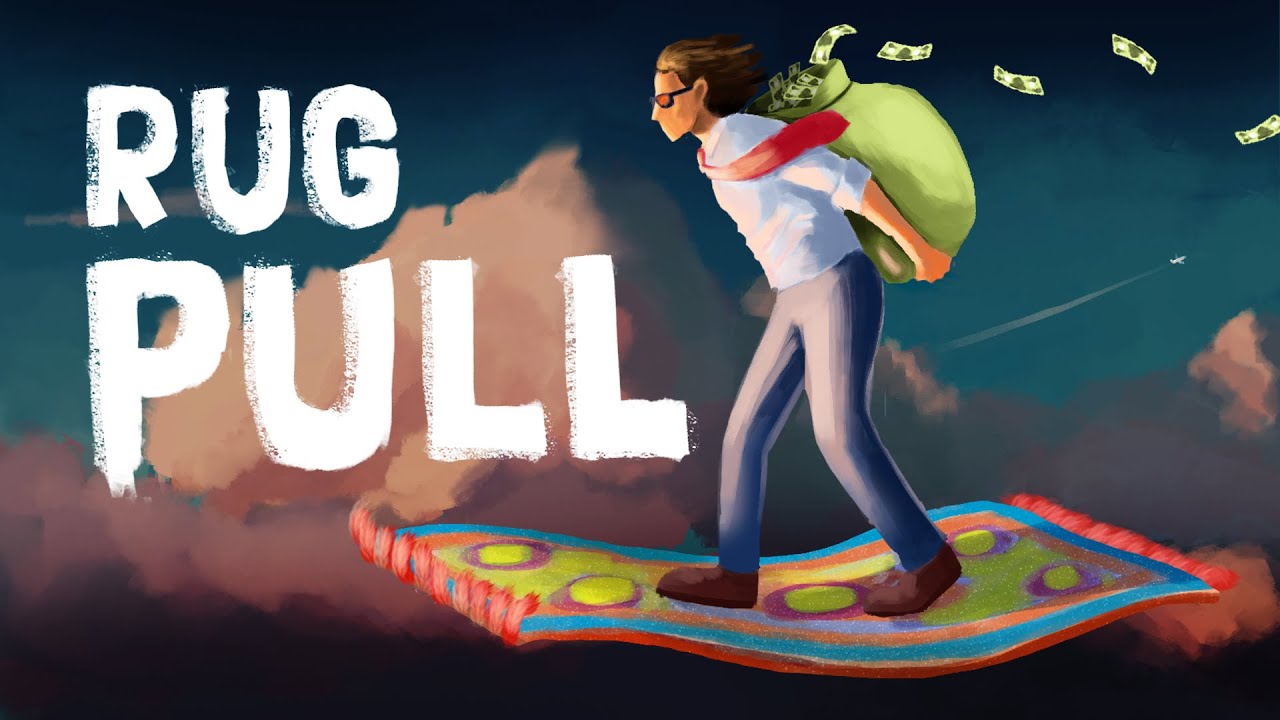
In the rapidly evolving crypto landscape of 2025–2026, new projects are launched almost daily, promising high returns, innovative features, or exclusive NFTs. While many are legitimate, some are rug pulls—fraudulent schemes where developers withdraw liquidity or abandon a project, leaving investors with worthless tokens.
Understanding how to identify a rug pull is critical for anyone participating in crypto, DeFi, or NFT markets. This article explains what rug pulls are, common warning signs, and practical strategies for staying safe.
What Is a Rug Pull?
A rug pull occurs when project creators suddenly take control of investor funds, usually by:
- Draining liquidity from decentralized exchanges (DEXs)
- Selling their token holdings at high prices before abandoning the project
- Locking investors into tokens that become worthless
Rug pulls are more common in DeFi and NFT ecosystems but can also appear in smaller altcoin projects. They exploit hype, FOMO, and lack of transparency.
Common Types of Rug Pulls
- Liquidity Rug Pulls: Developers withdraw all liquidity from a DEX pool, making it impossible to sell the token.
- Exit Scams: Token teams disappear after raising funds via presales or Initial DEX Offerings (IDOs).
- Pump-and-Dump Schemes: Coordinated hype drives token prices up before insiders sell off their holdings.
- Fake Partnerships & Claims: Fraudulent claims about partnerships or technology attract investors before collapse.
Understanding these types helps investors recognize early warning signs before committing funds.
Red Flags That Signal a Rug Pull
1. Anonymous or Unverified Teams
Legitimate projects often have publicly known and credible teams. If developers hide their identities or provide unverifiable credentials, consider it a high-risk project.
2. Centralized Token Control
If a few wallets hold a disproportionate share of tokens or liquidity, developers can easily manipulate prices or withdraw funds.
3. Unrealistic Promises
Projects promising 1,000% returns in weeks, “guaranteed profits,” or high APYs often indicate a scam.
4. Poor or Missing Documentation
No whitepaper, vague roadmap, or plagiarized content is a major warning sign.
5. Lack of Smart Contract Audits
In 2025–2026, credible projects usually undergo third-party audits. No audit, or a fake audit, signals caution.
6. Social Media Red Flags
Overhyped marketing, aggressive influencer promotion, or private chat-only announcements may hide malicious intent.
On-Chain Analysis for Rug Pull Detection
Modern investors can also use on-chain data to identify potential rug pulls:
- Liquidity Locking: Check if liquidity is time-locked on verified smart contracts.
- Token Distribution: Large holdings in a few wallets are risky.
- Transaction History: Sudden liquidity withdrawals or abnormal sell pressure can indicate exit intent.
- Smart Contract Review: Open-source contracts allow developers and community members to inspect potential vulnerabilities or malicious functions.
Tools like Etherscan, BscScan, and blockchain analytics platforms make this analysis accessible even to non-technical investors.
Community and Reputation Checks
Strong, active communities often help spot scams early:
- Look for transparency in announcements
- Monitor developer engagement with users
- Check for warnings or concerns from experienced members
- Avoid projects with isolated, overly promotional communities
Communities that flag suspicious behavior often save investors from losses before a rug pull occurs.
Best Practices to Avoid Rug Pulls
- Do Your Own Research (DYOR): Examine the team, technology, and tokenomics carefully.
- Start Small: Invest minimally until the project proves credibility.
- Verify Smart Contracts: Check for audits, open-source code, and liquidity locks.
- Check Regulatory Compliance: Projects following KYC/AML and jurisdictional rules are often safer.
- Diversify Investments: Avoid putting all funds into one high-risk token.
- Stay Updated: Use on-chain analytics and news sources to track suspicious activity.
These steps reduce risk while allowing participation in innovative projects.
The Evolving Landscape in 2025–2026
Rug pulls continue to evolve as DeFi, NFTs, and altcoins grow in complexity. By 2025–2026:
- AI tools detect suspicious transactions and liquidity movements.
- Platforms increasingly require KYC for high-value projects, reducing anonymity.
- Smart contract standards and audits become more accessible, lowering risk for small investors.
While the threat of rug pulls will never disappear entirely, technology and informed communities are making detection faster and more reliable.
Conclusion: Vigilance Is Key to Staying Safe
Identifying a rug pull is about combining due diligence, on-chain analysis, and community awareness. In 2025–2026, as crypto adoption expands globally, understanding warning signs, smart contract risks, and tokenomics is essential for protecting your investments.
By spotting red flags early, analyzing liquidity and distribution, and prioritizing transparency, investors can avoid scams and focus on legitimate, long-term crypto opportunities.