Key Takeaways:
- A crypto wallet stores private keys, giving you control over your digital assets.
- Hot wallets are convenient but less secure; cold wallets provide maximum protection.
- Following best practices is essential to safeguard funds against theft or loss.
What Is a Crypto Wallet? Understanding Digital Asset Security in 2025–2026
As cryptocurrencies become a mainstream financial tool heading into 2025 and 2026, understanding the technology that secures your digital assets is crucial. At the heart of cryptocurrency ownership lies the crypto wallet—a tool that enables users to store, send, and receive digital currencies safely. Unlike traditional bank accounts, crypto wallets provide direct control over your assets, but they also come with unique responsibilities and risks that every investor must understand.
How Crypto Wallets Work: Private Keys and Blockchain Security
A crypto wallet functions as a digital interface to interact with the blockchain, the decentralized ledger that records all cryptocurrency transactions. The wallet itself does not store your coins; instead, it stores the private keys that grant access to your assets. Think of your private key as a password or a digital signature—without it, you cannot authorize transactions or access your funds.
Wallets are generally categorized into two main types:
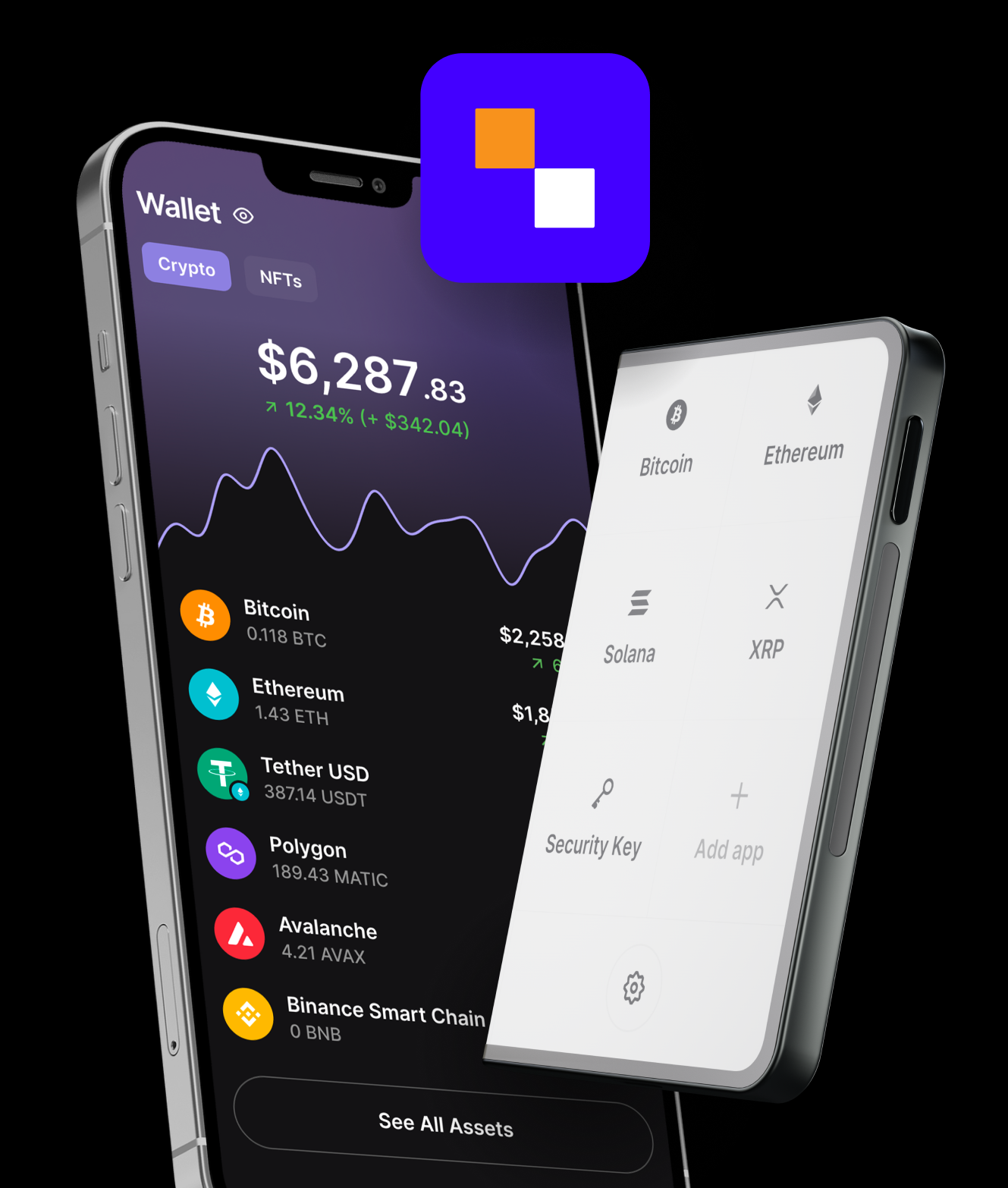
- Hot Wallets: These are connected to the internet, making them convenient for frequent trading or purchases. Mobile apps, web wallets, and desktop wallets fall into this category. They prioritize accessibility but can be more vulnerable to cyberattacks.
- Cold Wallets: These are offline wallets, such as hardware wallets or paper wallets, offering enhanced security against hacking. They are ideal for long-term storage of substantial crypto holdings.
By understanding these types and how private keys operate, users can better protect their digital assets against theft, loss, or fraud.
Choosing the Right Wallet: Security, Convenience, and Compatibility
Selecting a crypto wallet in 2025 and 2026 requires balancing security and convenience. Security-conscious investors may favor hardware wallets like Ledger or Trezor, which store private keys offline. On the other hand, those actively trading or using decentralized finance (DeFi) platforms may prefer hot wallets due to their seamless integration with exchanges and dApps (decentralized applications).
Compatibility is another consideration. Some wallets support only specific cryptocurrencies, while others can hold multiple digital assets. Additionally, modern wallets increasingly offer built-in features such as staking, NFT management, and integration with Web3 applications—reflecting the expanding ecosystem of blockchain-based services in 2025–2026.
Risks and Best Practices: Protecting Your Crypto Assets
While crypto wallets provide ownership and control, they also place responsibility squarely on the user. Losing a private key can mean permanent loss of funds. Common risks include phishing attacks, malware, and physical theft of hardware wallets.
Best practices include:
- Using strong, unique passwords and enabling two-factor authentication (2FA).
- Regularly updating wallet software to patch vulnerabilities.
- Diversifying storage by splitting holdings across multiple wallets.
- Carefully verifying wallet addresses before initiating transactions.
By following these measures, users can significantly reduce the risk of losing their assets while navigating the rapidly evolving crypto landscape.
The Future of Crypto Wallets: Trends for 2025–2026
Looking ahead, crypto wallets are becoming more than just storage tools—they are evolving into comprehensive financial hubs. In 2025–2026, expect wallets to integrate artificial intelligence for personalized investment advice, enable seamless cross-chain transactions, and incorporate advanced privacy features. Mobile and browser-based wallets will continue to grow, but secure hardware wallets will remain essential for serious investors.
The ongoing expansion of DeFi, NFTs, and Web3 applications will make crypto wallets a cornerstone of digital financial life, reinforcing the need for secure, user-friendly solutions.
Conclusion
A crypto wallet is not just a digital container—it is your gateway to the blockchain economy. Understanding how wallets work, choosing the right type, and practicing robust security measures are essential steps for anyone holding cryptocurrencies in 2025 and 2026. As the ecosystem grows, wallets will continue to evolve, offering both convenience and control to empower the next generation of digital asset users.