Key Takeaways
- Bitcoin halving occurs roughly every four years, cutting the block reward in half and reducing new supply.
- Halvings historically precede major bull runs by tightening supply while demand grows.
- Understanding halving timing and market dynamics is essential for crypto investors and traders.
What Is Bitcoin Halving?
Bitcoin halving is a fundamental event in the cryptocurrency ecosystem. Occurring approximately every four years, it reduces the reward miners receive for validating blocks by 50%. This mechanism is embedded in Bitcoin’s code to ensure scarcity and predictable supply growth—mirroring properties of precious metals like gold. As 2025–2026 approaches, understanding Bitcoin halving is crucial for investors anticipating the next market cycle.
How Bitcoin Halving Works
Bitcoin operates on a decentralized blockchain where miners secure the network by verifying transactions. For this work, they earn newly minted Bitcoin as a reward. Halving reduces this reward by half, meaning miners receive fewer Bitcoins for the same amount of computational effort.
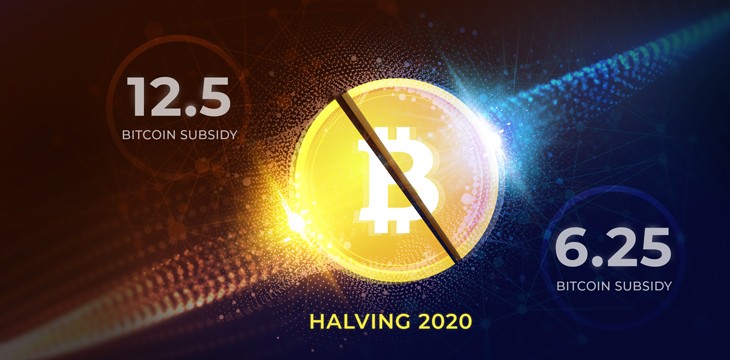
The first halving in 2012 reduced rewards from 50 BTC to 25 BTC per block. The second in 2016 dropped rewards to 12.5 BTC, and the third in 2020 lowered them to 6.25 BTC. By 2025–2026, the next halving will reduce rewards to 3.125 BTC per block.
This decreasing supply schedule ensures that Bitcoin’s total supply will never exceed 21 million coins. The deflationary design underpins Bitcoin’s scarcity and long-term value proposition.
Halving and Market Dynamics
Historically, Bitcoin halvings have acted as catalysts for bull runs. As the block reward shrinks, the influx of new Bitcoin slows, tightening supply. If demand remains constant or rises, the reduced supply can put upward pressure on price.
Key market dynamics associated with halving include:
- Supply Shock: Fewer Bitcoins enter circulation, increasing scarcity.
- Mining Economics: Miners’ profitability can be affected, leading to consolidation or increased efficiency.
- Investor Sentiment: Anticipation of halvings often fuels speculative demand and media attention.
While past halvings in 2012, 2016, and 2020 were followed by significant price rallies, investors should note that external factors—regulation, macroeconomics, and adoption—also influence outcomes.
Timing of the Next Halving
Bitcoin halving occurs every 210,000 blocks, roughly every four years. With the last halving in May 2020, the next is expected around 2024–2025, depending on block generation speed. Understanding this timing allows traders and investors to plan positions, manage risk, and anticipate potential market reactions.
Impact on Miners and Network Security
Miners play a critical role in Bitcoin’s security. Halving affects their revenue, which may incentivize efficiency improvements or push less profitable miners out of the market.
Interestingly, halving can strengthen the network long-term by creating a more competitive mining environment. Only miners with efficient operations survive, contributing to network stability and resilience.
Why Investors Should Care
Bitcoin halving is not just a technical event—it has strategic implications for market participants:
- Long-Term Holders: Scarcity increases potential long-term value.
- Traders: Volatility often rises before and after halving events, creating trading opportunities.
- Institutional Investors: Scarcity can drive adoption as part of a diversified digital asset allocation.
Understanding halving helps investors differentiate hype from structural market factors.
Conclusion: Halving as a Market Catalyst
Bitcoin halving is a defining event that shapes supply dynamics, mining economics, and market sentiment. As 2025–2026 approaches, the next halving could set the stage for a significant bull run—especially when combined with growing institutional adoption, regulatory clarity, and mainstream crypto usage.
For anyone looking to navigate the cryptocurrency landscape, understanding halving timing, implications, and market history is essential. Scarcity drives value, and Bitcoin’s halving mechanism is the cornerstone of its long-term deflationary design.