Key Takeaways:
- A crypto wallet stores and secures your digital assets and private keys.
- There are two main types: custodial and non-custodial wallets.
- Choosing the right wallet ensures security, control, and easy access to crypto.
What Is a Crypto Wallet? Understanding How Digital Wallets Work in 2025
As cryptocurrency adoption continues to grow in 2025, one tool remains at the heart of every blockchain transaction — the crypto wallet. Whether you’re buying Bitcoin, collecting NFTs, or trading DeFi tokens, you need a secure and reliable way to store your digital assets.
But what exactly is a crypto wallet? And how does it differ from the traditional wallets we use every day? Let’s break it down in clear, practical terms.
The Basics: What a Crypto Wallet Actually Does
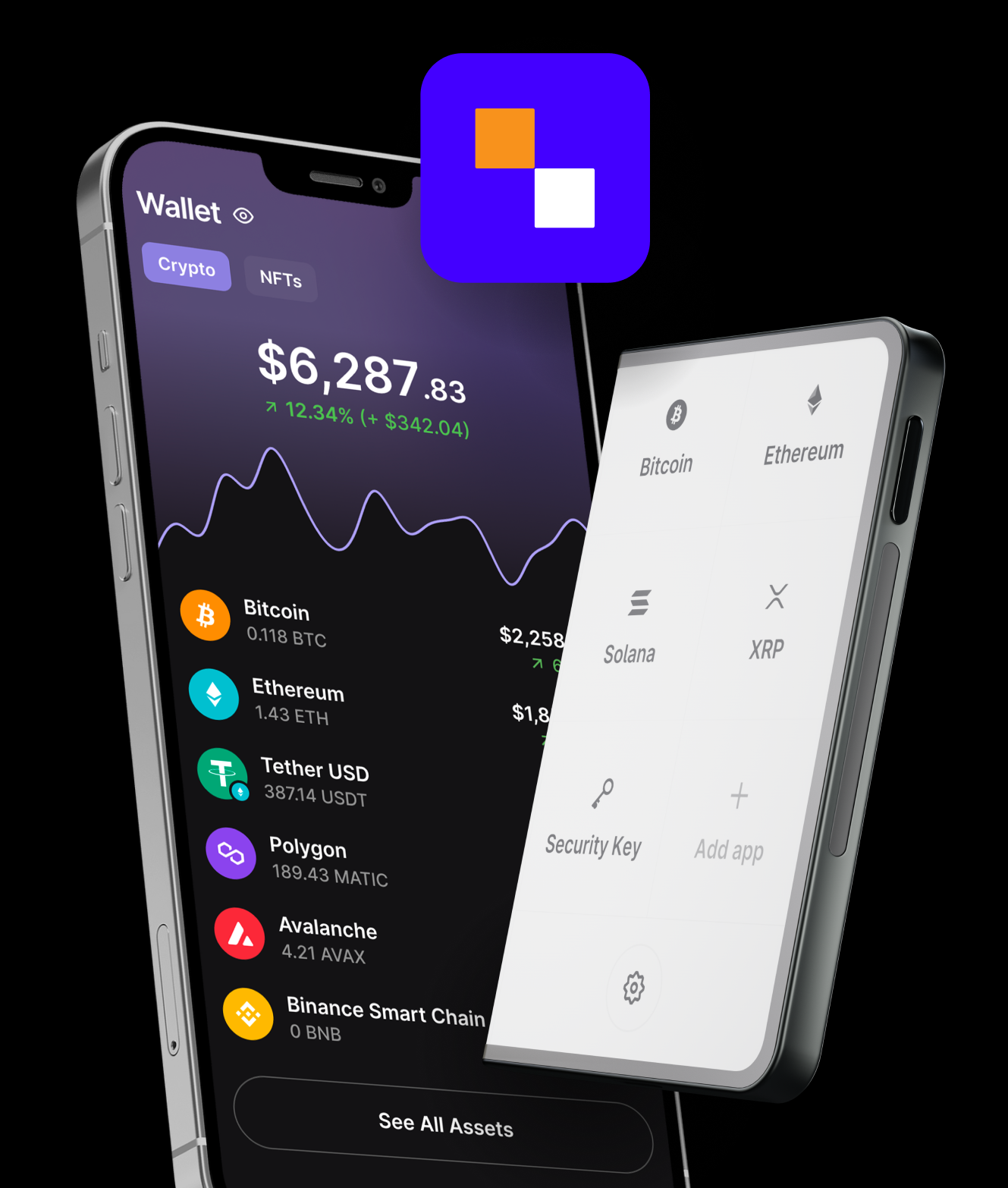
A crypto wallet is a digital tool that allows you to store, send, and receive cryptocurrencies. Instead of holding physical coins, it securely stores the cryptographic keys that prove ownership of your digital assets on the blockchain.
Every wallet has two key components:
- Public Key (Address): Similar to a bank account number — you share it to receive crypto.
- Private Key: Like a password — it grants full access to your funds and must be kept secret.
When you send or receive crypto, your wallet interacts with the blockchain network using these keys to verify transactions. In essence, your wallet is a secure interface between you and your digital assets.
How Crypto Wallets Work
Contrary to what many think, wallets don’t actually “store” coins inside them. The coins always live on the blockchain. Your wallet simply holds the private keys that allow you to access and move those coins.
Here’s what happens when you make a transaction:
- You enter the recipient’s wallet address and amount.
- Your wallet signs the transaction with your private key.
- The transaction is verified by the blockchain network and recorded permanently.
This entire process happens in seconds — and without the need for a bank, broker, or third-party intermediary.
The Two Main Types of Crypto Wallets
By 2025, crypto wallets come in many forms, but they all fall under two main categories: custodial and non-custodial. Understanding the difference is key to choosing the right one for your needs.
1. Custodial Wallets
These are wallets managed by a third party, usually an exchange like Binance, Coinbase, or Kraken. The service provider holds your private keys and takes care of security.
Pros:
- Easy to set up and recover if you forget your password.
- Convenient for beginners and frequent traders.
Cons:
- You don’t fully own your crypto (“Not your keys, not your coins”).
- Vulnerable to exchange hacks or account freezes.
Custodial wallets are great for users who prioritize simplicity but are less ideal for those who want full control of their assets.
2. Non-Custodial Wallets
Non-custodial wallets give you complete ownership of your funds because you control the private keys. Examples include MetaMask, Trust Wallet, and Phantom.
Pros:
- Full control and ownership of your assets.
- Greater privacy and independence from intermediaries.
Cons:
- If you lose your recovery phrase, you lose access to your funds.
- Requires more responsibility and security awareness.
For users who value autonomy, non-custodial wallets are the preferred choice — especially as self-custody becomes a key theme of the 2025 crypto landscape.
Types of Crypto Wallets: Hot vs. Cold
Another way to categorize wallets is based on whether they are connected to the internet.
Hot Wallets
Hot wallets are always online and ideal for daily use, such as trading or small transactions. They include browser extensions, mobile apps, and desktop wallets.
Examples: MetaMask, Coinbase Wallet, Trust Wallet
Advantages:
- Fast and convenient access.
- Easy integration with decentralized apps (dApps).
Disadvantages:
- More vulnerable to hacks and phishing attempts.
Cold Wallets
Cold wallets are offline devices designed for maximum security. These include hardware wallets like Ledger and Trezor, as well as paper wallets that store private keys offline.
Advantages:
- Immune to online attacks.
- Ideal for long-term or large holdings.
Disadvantages:
- Less convenient for frequent trading.
- Must be stored carefully to prevent loss or damage.
In 2025, many investors use a hybrid approach — keeping small amounts in hot wallets for flexibility and storing larger assets in cold wallets for safety.
Why a Crypto Wallet Matters in 2025
With the crypto industry maturing and regulation increasing, wallets are becoming more than just storage tools. They are the gateway to the decentralized web — allowing users to interact with DeFi platforms, NFTs, metaverse worlds, and Web3 applications.
Key reasons wallets matter more than ever:
- Ownership: You control your digital identity and assets directly.
- Security: You eliminate reliance on centralized entities vulnerable to breaches.
- Access to Web3: Wallets act as login tools for decentralized platforms.
As digital assets expand beyond cryptocurrencies — into tokenized stocks, digital IDs, and real-world assets — wallets are evolving into universal digital vaults for the next internet era.
Choosing the Right Crypto Wallet
When selecting a wallet in 2025, consider these key factors:
- Security: Look for features like biometric protection, multi-signature support, and offline backups.
- Compatibility: Ensure it supports the blockchains and tokens you use.
- Ease of Use: A clear interface and recovery options make a big difference for beginners.
- Community Trust: Choose well-reviewed wallets with proven track records.
Popular beginner-friendly wallets in 2025 include Trust Wallet, Coinbase Wallet, MetaMask, and Phantom. For long-term investors, Ledger Nano X or Trezor Safe 3 remain leading hardware options.
Final Thoughts: Your Key to the Crypto World
A crypto wallet is more than a tool — it’s the foundation of your digital independence. It gives you control over your assets, privacy, and participation in the decentralized economy.
In 2025, as crypto adoption accelerates, understanding what a crypto wallet is and how to use one responsibly is essential for anyone entering the blockchain world.
Whether you choose a beginner-friendly app or a high-security hardware wallet, remember: your keys are your wealth. Keep them safe, and your crypto future will be too.