Key Takeaways
- Layer 2 scaling solutions process transactions off the main blockchain, boosting speed and cutting costs.
- Ethereum’s growth in 2025 is driven by Layer 2 networks like Arbitrum, Optimism, Base, and zkSync.
- Layer 2s enable mass adoption of Web3 by solving congestion without sacrificing security.
Introduction: The Scalability Problem
As blockchain adoption accelerates in 2025, the demand for fast, low-cost transactions is higher than ever. Ethereum alone processes millions of transactions daily — but its base layer (Layer 1) can only handle about 15 per second.
Enter Layer 2 scaling, the technology revolutionizing how blockchains operate. By moving most of the computational load off-chain while still relying on Layer 1 for security, Layer 2s make crypto transactions faster, cheaper, and more efficient — without compromising decentralization.
Layer 2 scaling is now at the heart of Ethereum’s long-term roadmap and a key driver of blockchain mass adoption.
What Is Layer 2 Scaling?
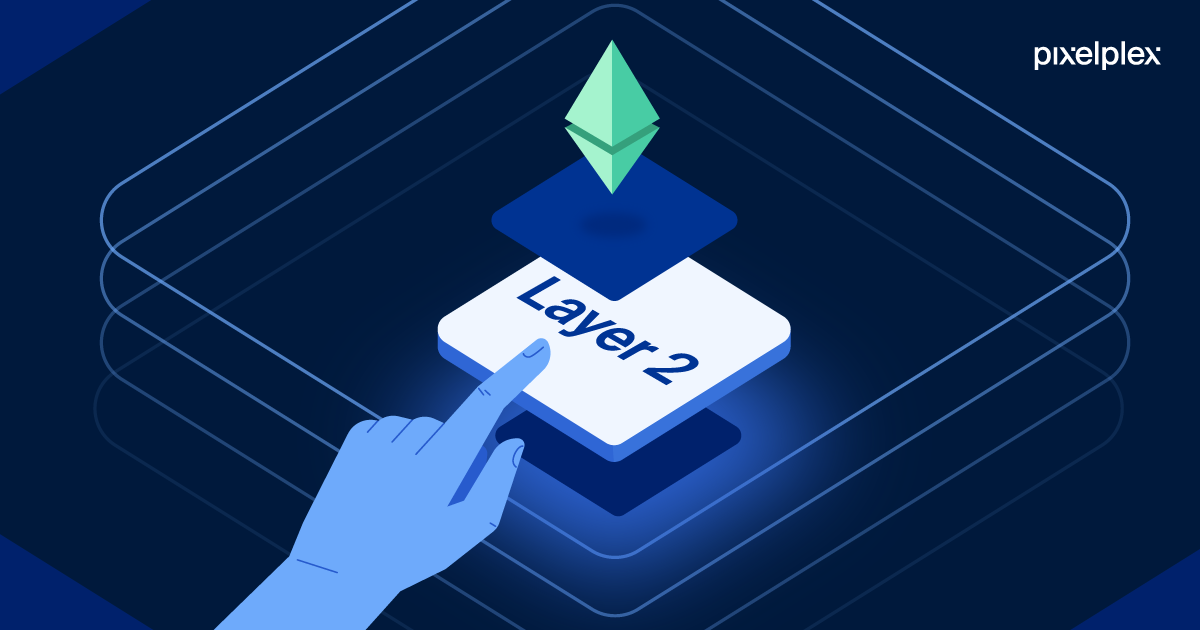
A Layer 2 is a secondary framework or protocol built on top of an existing blockchain (Layer 1) — like Ethereum — to handle transactions more efficiently.
In simple terms:
- Layer 1 (L1): The base blockchain (e.g., Ethereum, Bitcoin). Secure but slow and expensive.
- Layer 2 (L2): An additional network that processes transactions off-chain, then periodically submits data back to Layer 1 for verification.
This offloading allows thousands of transactions to occur at a fraction of the cost while maintaining the same underlying security guarantees.
Why Layer 2 Exists
Blockchains face a fundamental challenge known as the “scalability trilemma” — balancing three competing goals:
- Decentralization
- Security
- Scalability
Ethereum prioritizes decentralization and security, but this limits throughput. Layer 2 scaling solutions address this by adding scalability without weakening the foundation.
By 2025, Layer 2s have become essential to the Ethereum ecosystem, enabling real-world apps in DeFi, NFTs, and gaming to scale globally.
How Layer 2 Scaling Works
Layer 2 solutions function by batching or processing transactions off-chain, then anchoring them back to Layer 1 for security and finality.
Here’s the general flow:
- Users send transactions to Layer 2.
- The L2 network bundles multiple transactions into a single compressed batch.
- The batch is submitted to the Layer 1 chain, ensuring verification and immutability.
This process can cut transaction costs by over 90% while increasing throughput from 15 TPS (transactions per second) to tens of thousands.
Major Types of Layer 2 Scaling Solutions
1. Rollups
Rollups are the most popular Layer 2 design in 2025. They bundle multiple transactions and post them to the Ethereum mainnet in compressed form.
- Optimistic Rollups: Assume transactions are valid by default but allow fraud proofs if errors occur (e.g., Arbitrum, Optimism, Base).
- ZK-Rollups (Zero-Knowledge Rollups): Use cryptographic proofs to verify transactions instantly and securely (e.g., zkSync, StarkNet, Polygon zkEVM).
ZK-Rollups are gaining traction in 2025 for their speed, privacy, and scalability.
2. State Channels
State channels allow participants to transact off-chain and only submit the final result to the blockchain.
Think of it like running a tab at a café — you only settle once, saving time and fees. State channels are ideal for micropayments and gaming use cases.
3. Sidechains
Sidechains are independent blockchains connected to Layer 1 via a bridge. They run their own consensus mechanisms, allowing for flexibility but relying less on Ethereum’s native security.
Examples include Polygon PoS, xDai (Gnosis Chain), and Avalanche subnets.
4. Plasma
An older Layer 2 framework that creates “child chains” connected to Ethereum. Though less common now, Plasma paved the way for rollup technology by showing how off-chain computation could interact with Layer 1 security.
The Layer 2 Ecosystem in 2025
The Layer 2 landscape has exploded in 2025, with billions in total value locked (TVL) across major protocols.
Leading L2 Networks:
- Arbitrum: Known for high throughput and strong developer adoption.
- Optimism: Popular for DeFi and powering Coinbase’s Layer 2 network, Base.
- Base: Integrated with major consumer apps and onboarding millions of new users.
- zkSync Era: A frontrunner in zero-knowledge technology, emphasizing privacy and scalability.
- StarkNet: Advanced ZK-proof scaling for enterprises and developers.
Together, these networks are processing more daily transactions than Ethereum’s mainnet — a sign of how central Layer 2s have become.
Benefits of Layer 2 Scaling
- Speed: Thousands of transactions per second enable real-time dApps and games.
- Cost: Fees are drastically lower — sometimes under $0.01.
- Security: Layer 2s still rely on Ethereum’s Layer 1 for final verification.
- Interoperability: L2s communicate seamlessly with each other and with Layer 1.
- Accessibility: Cheaper fees make blockchain more usable for everyday users worldwide.
In 2025, these benefits have made Ethereum’s ecosystem more inclusive — fueling Web3 growth across Africa, Asia, and Latin America.
Challenges and Limitations
Layer 2 isn’t without hurdles:
- Bridging Risks: Moving assets between L1 and L2 introduces security vulnerabilities.
- Liquidity Fragmentation: Funds are spread across multiple Layer 2s, affecting efficiency.
- User Experience: Onboarding non-technical users can still be complex.
- Coordination Costs: Developers must adapt their apps for each Layer 2 environment.
However, cross-chain messaging standards like OP Stack and zkEVM interoperability are solving these issues rapidly.
The Future of Layer 2 (2025–26 and Beyond)
By 2025, Ethereum’s “Rollup-Centric Roadmap” is fully underway. The mainnet is now a security and data availability layer, while most activity occurs on Layer 2s.
Upcoming innovations include:
- EIP-4844 (Proto-Danksharding): Reduces Layer 2 data costs by introducing “blobs” — boosting efficiency even further.
- ZK-EVM Maturity: Fully compatible zero-knowledge rollups capable of running Ethereum smart contracts natively.
- Cross-Layer Coordination: Seamless movement of assets and data between multiple Layer 2 networks.
As these technologies mature, Ethereum’s scalability ceiling effectively disappears, paving the way for a truly global decentralized economy.
Conclusion: The Path to Scalable Blockchain Adoption
Layer 2 scaling is not just an upgrade — it’s the evolution that makes blockchain practical for mass use.
By processing transactions off-chain and settling them securely on Layer 1, Layer 2 networks bring blockchain performance in line with traditional systems — without losing decentralization.
In 2025 and beyond, as millions join Web3 through games, finance, and social platforms, Layer 2 scaling is the key technology powering blockchain’s next billion users.