Key Takeaways
- Tracking your crypto portfolio is vital in 2025–26 as DeFi, Layer 2s, and multi-chain assets expand across hundreds of platforms.
- Use trusted portfolio trackers and analytics tools to monitor real-time performance, taxes, and yield farming returns in one place.
- Smart tracking = smarter investing: set alerts, automate reports, and analyze diversification to manage volatility and risk effectively.
Introduction: Why Portfolio Tracking Matters in 2025
The crypto market of 2025 isn’t what it was a few years ago—it’s broader, faster, and far more complex. Investors now manage assets across multiple blockchains, decentralized exchanges, and staking protocols. Without a reliable portfolio tracking strategy, staying organized can be nearly impossible.
As decentralized finance (DeFi) grows and tokenized real-world assets (RWAs) enter the space, tracking your crypto portfolio has become a cornerstone of responsible investing. It’s not just about knowing how much you hold—it’s about understanding your exposure, yield, and performance across different ecosystems.
Understanding What a Crypto Portfolio Tracker Does
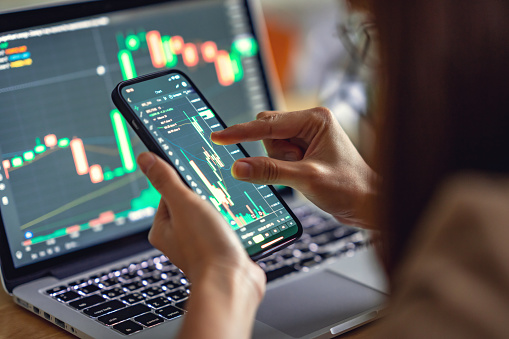
A crypto portfolio tracker is a tool—either web-based, desktop, or mobile—that lets you view all your assets in one place. It consolidates wallet balances, exchange accounts, NFTs, and staking positions into a single dashboard.
These trackers pull data directly from blockchains or APIs, showing you:
- Total portfolio value (in USD, BTC, or stablecoins)
- Individual asset performance over time
- DeFi positions and yields
- Realized and unrealized gains/losses
- Transaction history and tax summaries
With dozens of tokens and wallets in play, a good tracker simplifies your digital life and reduces the risk of human error.
Top Portfolio Tracking Tools for 2025–26
1. CoinStats
A veteran in the tracking space, CoinStats has evolved into a full DeFi dashboard. It supports over 1,000 exchanges and wallets, including MetaMask, Binance, and Coinbase.
Why it stands out:
- Real-time analytics and portfolio sync across chains
- Built-in DeFi yield tracking
- In-app tax reports and profit/loss summaries
- AI-driven “Smart Insights” for portfolio optimization
2. Zapper
Zapper has become a go-to dashboard for DeFi power users. It aggregates assets from Ethereum, Arbitrum, Base, and other Layer 2s into one clear interface.
Best for:
- Active DeFi participants tracking liquidity pools, yield farms, and staking
- NFT tracking and net worth visualization
- One-click wallet connections (no sign-up required)
3. DeBank
Focused on cross-chain tracking, DeBank offers powerful analytics for Ethereum-compatible networks and emerging Layer 2 ecosystems.
Notable features:
- Wallet leaderboard showing on-chain rankings
- Real-time tracking for dApps and protocols
- Lending, borrowing, and farming position data
- Clean interface for fast comparisons across chains
4. Kubera
Ideal for hybrid investors who manage both crypto and traditional assets, Kubera connects bank accounts, stock portfolios, and wallets in one view.
Why investors love it:
- Net worth tracking across asset classes
- Secure read-only API integrations
- Estate planning features and wealth snapshots
5. CoinMarketCap Portfolio & CoinGecko
For casual investors, both CoinMarketCap and CoinGecko offer easy-to-use portfolio tools. You can manually input holdings or sync wallets for a light-tracking experience.
Advantages:
- Free and mobile-friendly
- Simple price alerts and asset summaries
- Great for beginners learning to monitor their holdings
Smart Strategies for Tracking and Managing Your Crypto Portfolio
1. Automate Whenever Possible
Manual tracking is error-prone. Use automated sync features via wallet integrations (e.g., MetaMask, Ledger, Coinbase). Tools like CoinStats or Zapper fetch data instantly whenever you make a transaction.
2. Separate Short-Term and Long-Term Holdings
Keep your trading portfolio (active positions) separate from your long-term investments (like staked ETH or BTC). This separation helps clarify performance and tax implications.
3. Track DeFi and Staking Rewards
In 2025, yields come from everywhere—staking ETH, lending stablecoins, or providing liquidity on Base or Arbitrum. A good tracker should automatically account for accrued rewards and token distributions.
4. Set Price and Performance Alerts
Modern portfolio tools allow custom alerts for asset prices, percentage changes, or profit milestones. These alerts help you react faster during volatile markets.
5. Regularly Rebalance Your Portfolio
Crypto markets move fast. Review your portfolio monthly or quarterly to adjust exposure to emerging sectors (AI tokens, RWAs, or gaming) while reducing overweight positions.
Security and Privacy Considerations
With data breaches and phishing attacks still prevalent, security should be your top priority when tracking crypto portfolios.
- Use read-only API keys—never grant withdrawal access to tracking apps.
- Enable two-factor authentication (2FA) on all accounts.
- Avoid unknown mobile apps promising free analytics or high yields.
- Regularly disconnect inactive wallets to reduce exposure.
Your data is valuable—treat it like an asset.
The Future of Portfolio Tracking (2026 and Beyond)
By 2026, portfolio tracking will go beyond dashboards. Expect:
- AI-assisted rebalancing that suggests trades based on your goals.
- On-chain tax automation, syncing directly with regulatory-compliant systems.
- DeFi-native risk scoring, analyzing exposure to liquidity, impermanent loss, or protocol security.
- Multi-chain integration with non-EVM blockchains like Solana, Sui, and Aptos.
In short, tracking will become proactive, predictive, and personalized, helping investors stay ahead in an increasingly fragmented market.
Conclusion: Knowledge Is Your Most Valuable Asset
In crypto, information is power—and clarity is profit. With thousands of assets and protocols emerging every year, tracking your portfolio effectively is the difference between reactive speculation and strategic investing.
Whether you use CoinStats, Zapper, DeBank, or Kubera, the goal is the same: stay informed, secure, and organized. In 2025–26, mastering your crypto portfolio isn’t just good practice—it’s essential for thriving in the next phase of digital finance.