Key Takeaways
- MetaMask bridges Ethereum and Layer 2s, letting users manage assets and interact with dApps efficiently.
- Layer 2 networks reduce gas fees and speed up transactions, improving Web3 usability in 2025.
- Security, proper network setup, and self-custody awareness are essential for using MetaMask safely across chains.
How to Use MetaMask for Ethereum and Layer 2s in 2025
As Web3 evolves through 2025, MetaMask remains the go-to crypto wallet for millions of users navigating the Ethereum ecosystem and its expanding Layer 2 networks.
Originally designed to interact directly with Ethereum, MetaMask has grown into a multi-chain gateway — supporting Polygon, Arbitrum, Optimism, Base, zkSync, and more.
Whether you’re trading tokens, exploring DeFi apps, or minting NFTs, understanding how to use MetaMask for Ethereum and Layer 2s can unlock faster, cheaper, and more secure blockchain experiences.
What Is MetaMask and Why It Matters
MetaMask is a non-custodial crypto wallet and browser extension that allows users to store, send, and receive Ethereum-based assets. It also serves as a Web3 gateway, enabling direct interaction with decentralized applications (dApps).
Since 2020, MetaMask has evolved beyond just Ethereum. By 2025, it supports dozens of EVM-compatible Layer 2s — scaling solutions that lower costs and increase speed without sacrificing security.
In short, MetaMask acts as your digital passport to the Ethereum ecosystem, whether you’re working on the main network or one of its optimized counterparts.
Setting Up MetaMask for Ethereum
Getting started on Ethereum is simple:
- Install MetaMask: Download from metamask.io for Chrome, Firefox, or mobile.
- Create a Wallet: Set a strong password and carefully write down your seed phrase — your recovery key if you lose access.
- Fund Your Wallet: Purchase ETH on an exchange or use MetaMask’s built-in on-ramp to add funds.
- Connect to a dApp: Visit a Web3 site (like Uniswap or OpenSea) and click “Connect Wallet.”
Ethereum remains the base layer for most decentralized apps, but its transaction fees can fluctuate based on network congestion. This is where Layer 2s come in.
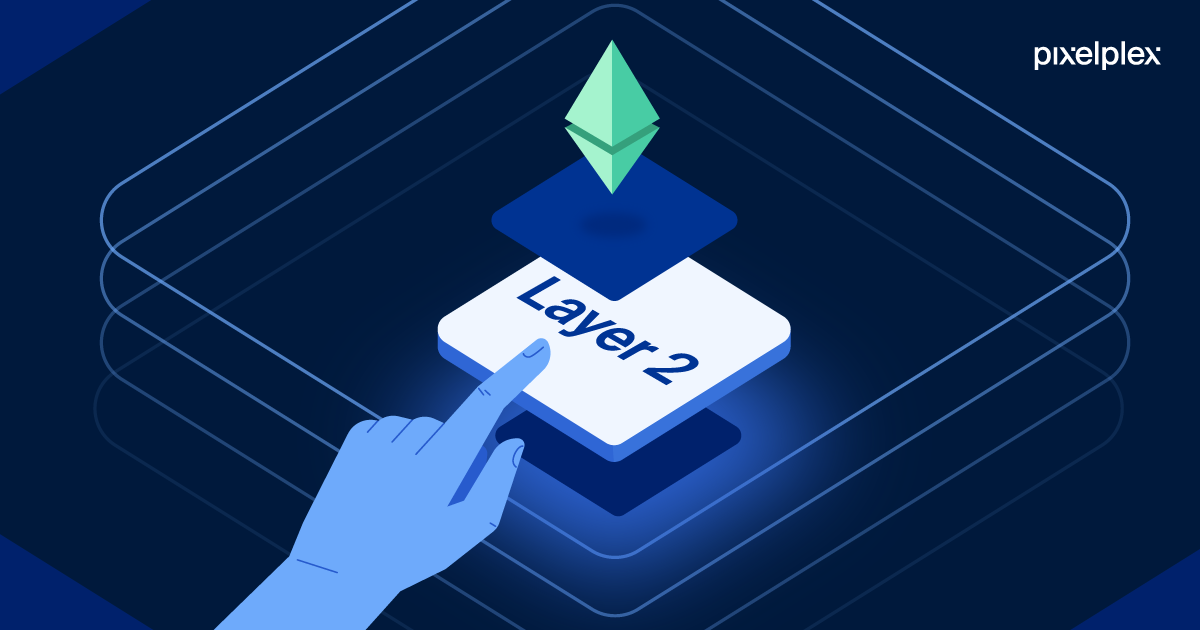
What Are Layer 2 Networks?
Layer 2 (L2) solutions are built on top of Ethereum to handle transactions off-chain while maintaining Ethereum’s security through rollups or sidechains.
In 2025, major Layer 2s include:
- Arbitrum: Optimistic rollup known for its DeFi ecosystem.
- Optimism: Prioritizes low fees and developer-friendly scaling.
- Polygon PoS & zkEVM: Blends sidechain speed with zk-proof security.
- Base (by Coinbase): User-friendly on-ramp for new Web3 users.
- zkSync Era: Focuses on zero-knowledge rollups for privacy and scalability.
By using Layer 2s, users can save up to 90% in gas fees while enjoying faster confirmation times — a major step forward for mainstream adoption in 2025–2026.
How to Connect MetaMask to a Layer 2 Network
To use Layer 2s, you’ll need to add the network manually or connect via supported dApps. Here’s how:
Manual Setup
- Open MetaMask → Click the network dropdown (default is “Ethereum Mainnet”).
- Select “Add Network.”
- Enter network details (available on each Layer 2’s official site). Example for Arbitrum One:
- Network Name: Arbitrum One
- RPC URL:
https://arb1.arbitrum.io/rpc - Chain ID: 42161
- Currency Symbol: ETH
- Block Explorer:
https://arbiscan.io
- Click Save, then switch to the new network.
Automatic Setup via DApps
Some Layer 2 apps automatically prompt MetaMask to add the network when you connect for the first time — saving setup time and ensuring accuracy.
Bridging Assets Between Ethereum and Layer 2s
To move funds from Ethereum to a Layer 2, you’ll need a bridge — a tool that transfers tokens securely between chains.
Popular options in 2025 include:
- Arbitrum Bridge (
bridge.arbitrum.io) - Optimism Gateway (
gateway.optimism.io) - Polygon Bridge (
wallet.polygon.technology/bridge) - Base Bridge (
bridge.base.org) - zkSync Portal (
portal.zksync.io)
Here’s the general process:
- Go to the official bridge of your chosen network.
- Connect MetaMask (ensure it’s set to Ethereum Mainnet).
- Choose the token and amount to bridge.
- Confirm the transaction — it will appear in MetaMask.
- Once complete, switch your MetaMask network to the target Layer 2 to access your tokens.
Tip: Always double-check URLs to avoid phishing scams. Only use verified bridges listed on official project websites.
Managing Assets and dApps on Layer 2s
Once your funds are on Layer 2, MetaMask works just as it does on Ethereum — but faster and cheaper.
You can:
- Swap tokens on DEXs like Uniswap (Arbitrum/Optimism) or SushiSwap (Polygon).
- Explore NFT platforms like Zora or Base Paint.
- Interact with DeFi protocols such as Aave or Curve on L2.
As of 2025, many dApps now default to Layer 2 deployments, recognizing their scalability and sustainability advantages.
Security and Best Practices for 2025
With MetaMask bridging so many networks, security remains critical:
- Never share your seed phrase. MetaMask support will never ask for it.
- Verify network details manually. Fake RPC URLs can redirect your funds.
- Use hardware wallets (Ledger or Trezor) for large balances.
- Double-check bridges and dApp URLs before signing transactions.
MetaMask is also rolling out Account Abstraction features by 2026, making recovery and gas management easier while preserving self-custody — another major step toward mainstream safety and usability.
The Future of MetaMask and Layer 2s
By 2026, MetaMask aims to become a unified multi-chain dashboard, integrating Layer 2s, zk-rollups, and even Layer 3 ecosystems under one interface.
Expect faster transactions, built-in cross-chain swaps, and improved user identity systems, all without compromising decentralization.
Layer 2s are no longer just experimental add-ons — they’re becoming the default layer for Ethereum activity, bringing blockchain closer to mass adoption.
Conclusion: Your Gateway to a Scalable Ethereum
Learning how to use MetaMask for Ethereum and Layer 2s is no longer just for crypto enthusiasts — it’s essential for anyone engaging with the modern Web3 world.
MetaMask bridges the gap between Ethereum’s security and Layer 2’s efficiency, allowing users to transact faster, cheaper, and with greater control over their digital assets.
As the decentralized internet expands in 2025–2026, MetaMask remains the most powerful tool for navigating it — securely, efficiently, and on your own terms.